London Travel Guide: What to Know Before Visiting the UK Capital
This site contains affiliate links. I may earn a small commission, at no extra cost to you.
London can feel completely different from one street to the next. You can move from historic royal landmarks to colorful markets, peaceful parks, grand museums, and busy shopping streets within the same afternoon. If you are traveling to London for the first time, a little planning will help you enjoy more of the city without spending your entire trip rushing between attractions. This London travel guide covers the practical things to know, places worth adding to your itinerary, budget-friendly ideas, and simple ways to experience the city like a local.
Quick London Travel Tips
- PLAN BY AREA: London is huge, so avoid filling one day with attractions that are far away from each other. Group nearby sights together to spend less time travelling and more time exploring.
- CHECK TICKETS EARLY: Some popular attractions and experiences can become busy, especially during weekends and holiday periods. Check opening times and ticket requirements before building them into your day.
- USE PUBLIC TRANSPORT: The Tube, buses, trains, and walking routes make it possible to explore different parts of the city without relying on taxis. Planning your route can make your days much easier.
- KEEP A FLEXIBLE SCHEDULE: You do not need to plan every hour of your London vacation. Leave some free time for cafés, markets, unexpected shops, scenic streets, and places you discover along the way.
- EXPECT DIFFERENT WEATHER: London weather can change quickly, so comfortable layers and a lightweight waterproof jacket are useful throughout the year.
- MIX PAID AND FREE EXPERIENCES: You can enjoy many of London’s famous museums, galleries, parks, markets, and outdoor spaces without paying an admission fee.
Things to Know Before Visiting London
Start With the Historic Heart of London
For your first few hours in the city, begin with some of London’s most recognizable areas rather than trying to cover the entire capital. Westminster, Trafalgar Square, St James’s, and the South Bank can give you a strong introduction to the city’s history and architecture. Walking between nearby landmarks also helps you understand how different parts of central London connect. These areas are a great starting point for building your own list of the top things to do in London.
Don’t Try to See Everything in One Trip
One of the biggest mistakes first-time visitors make is creating an itinerary that is too ambitious. London has enough museums, neighborhoods, attractions, restaurants, markets, and parks to fill several trips, so you will enjoy it more if you accept that you cannot see everything. Choose a few priorities for each day and leave room for slower moments. A relaxed itinerary often creates better memories than constantly checking the time.
Spend Time Exploring London on Foot
Some of the best discoveries happen between the attractions rather than inside them. Walk through historic streets, cross beautiful bridges, browse independent shops, and stop whenever a café or building catches your attention. Walking is also one of the easiest ways to appreciate the changing architecture across the city. Keep a map or navigation app nearby so you can enjoy wandering without worrying about getting completely lost.
Visit at Least One Major Museum
London is particularly appealing for travelers who enjoy history, art, science, and culture. The British Museum, National Gallery, Tate Modern, Natural History Museum, Science Museum, and Victoria and Albert Museum all offer different experiences, with many permanent collections available free of charge. Choose one or two rather than trying to visit several in a single day. This gives you enough time to actually enjoy the exhibits instead of simply walking through them.
Make Time for a London Market
Markets are an easy way to experience a more energetic side of the city. Borough Market is a great choice for food lovers, while Camden offers a more alternative atmosphere, and Portobello Road is known for antiques, vintage finds, fashion, and food. Give yourself time to browse instead of treating a market as a quick photo stop. You may find small souvenirs, interesting snacks, independent products, or unexpected places to eat.
Enjoy London’s Parks
London has plenty of green spaces where you can take a break from crowded streets and busy attractions. Hyde Park, Greenwich Park, St James’s Park, Richmond Park, and Primrose Hill can all offer a different experience. Parks are especially useful when you have a busy itinerary because they give you somewhere to slow down without completely changing your plans. Pack a drink or snack and turn your park visit into a relaxed part of the afternoon.
Take Your Own London Travel Aesthetic Photos
London is incredibly photogenic, but you do not have to visit only the famous landmarks to capture beautiful images. Look for colorful doors, traditional pubs, red buses, historic buildings, flower-filled streets, bridges, bookshops, and quiet corners with classic architecture. Early mornings can be particularly good for photographs because streets may feel calmer and less crowded. Creating your own London travel aesthetic is often about noticing small details rather than simply photographing the biggest attractions.
Walk Along the Thames
The River Thames gives you a completely different perspective of London. Depending on where you walk, you can see landmarks, bridges, modern buildings, historic architecture, restaurants, and busy riverside neighborhoods. South Bank is particularly enjoyable for combining a riverside walk with food, culture, and entertainment. You can also consider a river cruise if you want to see several major sights from the water.
Give Yourself Time for an Evening in London
London changes character after sunset, so do not automatically return to your hotel once the daytime attractions close. Walk through illuminated streets, have dinner in a lively neighborhood, visit a pub, or see a West End performance if that interests you. The city has plenty of entertainment after dark, making evenings an important part of the experience. A relaxed evening can also balance out a busy sightseeing day.
Use London as More Than a Sightseeing Checklist
The best things to do in London, England are not always the activities with the longest queues or the biggest price tags. Sitting in a café, browsing a bookstore, watching people in a busy square, walking through a neighborhood, or spending an hour in a park can become some of your favorite memories. Permit yourself to experience the city rather than simply collecting photographs. This approach also makes your trip feel less stressful.
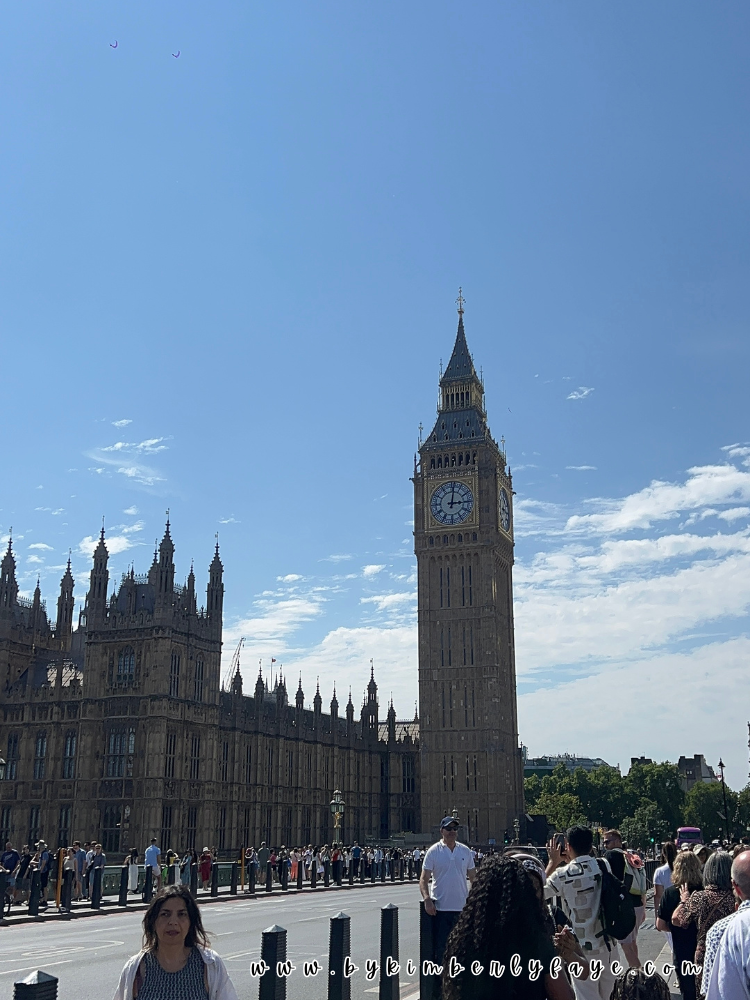
Keep Some Space for Unexpected Discoveries
When finding places in London, you will probably come across recommendations that were never part of your original itinerary. A small gallery, hidden courtyard, independent bakery, vintage shop, or quiet street can easily become an unexpected highlight. Instead of filling every gap in your schedule, leave a few open periods for spontaneous exploring. These unplanned moments can make your trip feel much more personal.
Build Your Own London Bucket List
Your London bucket list does not have to look like everyone else’s. Start with a few famous landmarks you genuinely want to see, then add neighborhoods, food experiences, museums, markets, viewpoints, and small activities that match your interests. This makes it easier to decide between the many options available. The official tourism guide currently highlights everything from major attractions and shows to walking tours and river experiences for first-time visitors.
London Travel Guide: Places to Visit
If you are wondering about London travel guide places to visit, begin by dividing the city into areas rather than choosing attractions randomly. Westminster is ideal for royal and political landmarks, while the South Bank works well for riverside walks, culture, and entertainment. Covent Garden and Soho are great for restaurants, shopping, theaters, and lively streets, while Notting Hill offers colorful architecture and market culture.
For a different side of the city, consider Greenwich, Richmond, Camden, or Shoreditch. These areas take you beyond the most obvious tourist route and give you more opportunities to experience local neighborhoods. The best approach is to choose two or three areas that fit your interests and explore them properly instead of trying to cover the whole city in one day.
Top Things to Do in London on a First Trip
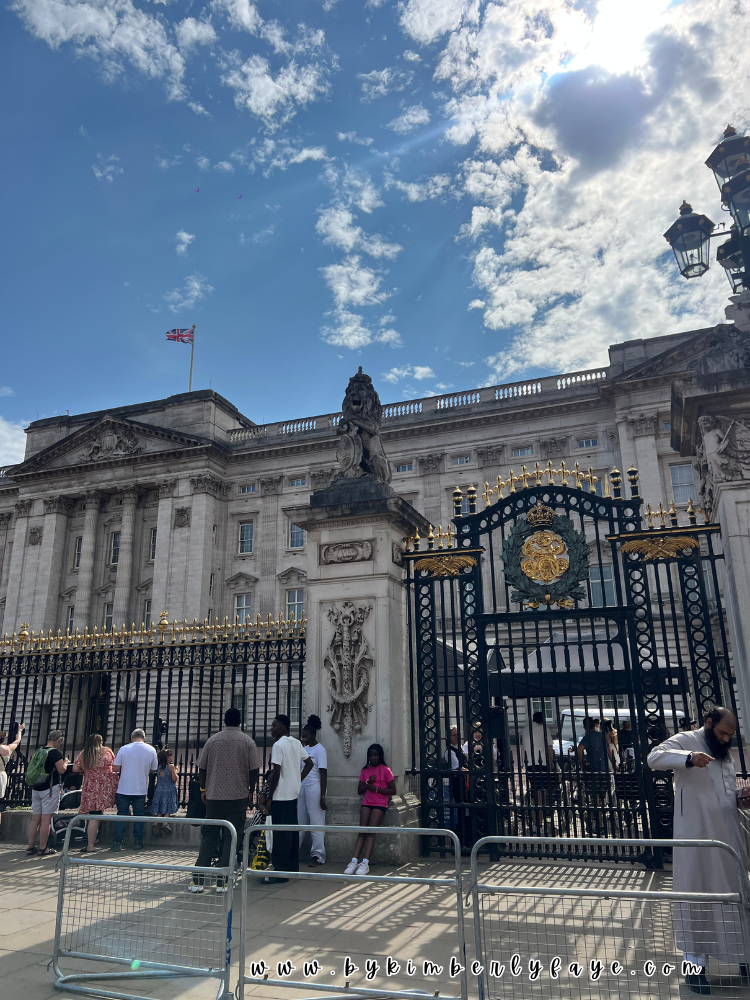
Some of the best places to visit in London are the landmarks that have become closely connected with the city’s identity. Depending on your interests, you might include the Tower of London, Westminster Abbey, Buckingham Palace, St Paul’s Cathedral, the London Eye, or a West End show. London’s current attraction guide also lists major experiences such as the Tower of London, London Eye, Westminster Abbey, St Paul’s Cathedral, and Churchill War Rooms among its leading attractions.
The best things to do in London also depend on the type of trip you want. History lovers may prefer palaces and museums, food lovers can spend hours around markets and restaurants, while travelers interested in photography may enjoy neighborhoods, parks, bridges, and riverside views. Choosing experiences based on your personal interests will make your itinerary much more enjoyable.
London Travel Planning Tips
Good London travel planning is mostly about location and timing. Look at a map before each day and group attractions that are relatively close together. Official London maps cover the Tube, Overground, buses, river services, cycling routes, and walking options, making it easier to organize your daily movements.
Try not to schedule major attractions back-to-back without allowing travel time. Give yourself space for queues, meals, photographs, and unexpected stops. If an attraction requires a timed ticket, build the rest of your day around that reservation instead of trying to squeeze it into an already crowded schedule.
Simple London Trip Checklist
DOCUMENTS: Keep your passport, travel documents, accommodation details, tickets, and important confirmations easily accessible throughout your trip. Save digital copies of important documents on your phone and, if possible, keep a backup somewhere secure. Having everything organized before leaving can make airport arrival, hotel check-in, and transportation much less stressful.
COMFORTABLE SHOES: Expect plenty of walking, especially if you plan to explore different neighborhoods and combine several attractions in one day. Choose supportive shoes that you have already worn rather than bringing a brand-new pair for your trip. Comfortable footwear will make long sightseeing days much easier, particularly when you are walking between stations, landmarks, shops, and restaurants.
LIGHT LAYERS: Pack clothing that can work across changing temperatures and unpredictable weather. T-shirts, lightweight sweaters, cardigans, and a jacket can easily be combined throughout the day. Layers are also convenient when moving between cooler outdoor streets and warmer museums, cafés, restaurants, or shops.
RAIN JACKET: A compact waterproof layer can be useful when you are spending long periods outdoors. London weather can change during the day, so having a rain jacket in your bag means you do not have to completely change your plans because of a sudden shower. Choose something lightweight that can be folded away when you no longer need it.
POWER BANK: Keep your phone charged for maps, tickets, photographs, restaurant searches, and transport information. If you spend most of the day sightseeing, your battery can run down much faster than expected. A small power bank can be especially useful when you are moving between different parts of the city and do not have easy access to a charging point.
REUSABLE WATER BOTTLE: A lightweight reusable bottle is useful when you are spending several hours sightseeing. Walking between attractions can be tiring, particularly during warmer months, so having water with you is convenient. Choose a bottle that fits easily inside your day bag and does not add unnecessary weight.
SMALL DAY BAG: Choose something comfortable enough for walking but large enough for your daily essentials, such as your phone, wallet, sunglasses, water bottle, power bank, and travel documents. A crossbody or small backpack can work well for long sightseeing days. Avoid carrying an unnecessarily large bag, as you will probably be taking it with you on public transport and into shops and attractions.
TRAVEL ADAPTER: Bring a suitable UK adapter if your devices use a different plug type. You may need to charge your phone, camera, laptop, or other electronics after a full day of exploring. Packing your adapter before you leave home means you can charge your devices as soon as you arrive rather than having to search for one during your trip.
Where to Stay in London
Choosing the right area can make a big difference to your first London trip. Covent Garden and the West End are particularly convenient for travelers who want restaurants, theatres, shopping, and many central attractions within walking distance, while Westminster and South Bank work well for visitors who want to stay close to famous landmarks and the River Thames. South Kensington is another good choice for travelers interested in museums or a quieter, more residential atmosphere.
For a stylish luxury stay, consider The Savoy on the Strand. Its central location between Covent Garden and the West End makes it particularly appealing for a special London vacation, especially if you want easy access to theatres, restaurants, Trafalgar Square, and the Thames. Another excellent luxury option is Corinthia London near Whitehall, which combines a central location with extensive wellness facilities and several dining options.
For a boutique-style stay, The Resident Covent Garden is a convenient choice for travelers who want to stay close to the West End while having a quieter base. Covent Garden Hotel is another attractive option, particularly for visitors who appreciate distinctive interiors and a highly central location.
If you prefer staying near the Thames, Park Plaza London Westminster Bridge is worth considering. Its South Bank location puts major sights such as the London Eye and Westminster within easy reach and offers convenient access to transport. For a more upscale South Bank experience, London Marriott Hotel County Hall is another option, particularly if river and Westminster views are high on your list.
Final Thoughts
London rewards travelers who give themselves enough time to slow down and explore. The famous landmarks are worth seeing, but the city becomes even more memorable when you mix them with markets, museums, parks, neighborhood walks, local food, and spontaneous discoveries. With a realistic itinerary and a little preparation, your first visit can feel exciting rather than overwhelming.
From iconic attractions to quiet streets and unique things to do in London, there is always another part of the capital waiting to be discovered. And if your trip is part of a larger list of things to do in the UK, London makes a great starting point before continuing to other destinations around the country.

FAQs
What are the best things to do in London for first-time visitors?
Start with a mix of famous landmarks, museums, neighborhoods, markets, and a riverside walk. This gives you a good introduction to London’s history, culture, architecture, and everyday atmosphere.
What can I do for free in London?
You can visit many museums and galleries, explore parks, walk along the Thames, visit markets, enjoy public squares, and look for free city viewpoints. Several major free attractions are highlighted by Visit London.
How many days are enough for London?
Three to four days can provide a good introduction to the city, although you could easily spend a week exploring different neighborhoods and attractions. Your ideal length depends on how many museums, day trips, and paid experiences you want to include.
What should I prioritize on my first London trip?
Choose a few major landmarks you genuinely want to see, then balance them with neighborhoods, food, parks, and free experiences. Avoid trying to complete every attraction in one visit.
Is London easy to explore without a car?
Yes. London has extensive public transport options, including the Tube, buses, trains, Overground, DLR, river services, and walking routes. Official maps can help you plan routes before heading out.
What are some fun things to do in London besides sightseeing?
Try visiting a market, seeing a West End show, taking a river cruise, exploring a new neighborhood, enjoying afternoon tea, visiting a free gallery, or spending an evening in a lively part of the city. These experiences can make your trip feel less like a checklist and more like an actual London adventure.
You May Also Like:
- London Travel Guide for First-Time Visitors: Everything You Need to Know
- Things to Do in Naples, Italy for an Unforgettable Trip
- Naples Italy Travel Guide: What to See, Eat & Explore
- How to Spend 3 Days in Rome, Italy Without Missing the Highlights
- Rome Travel Tips: Things I Wish I Knew Before Visiting
- When Is the Best Time to Visit Kanazawa Japan? A Seasonal Guide for Travelers