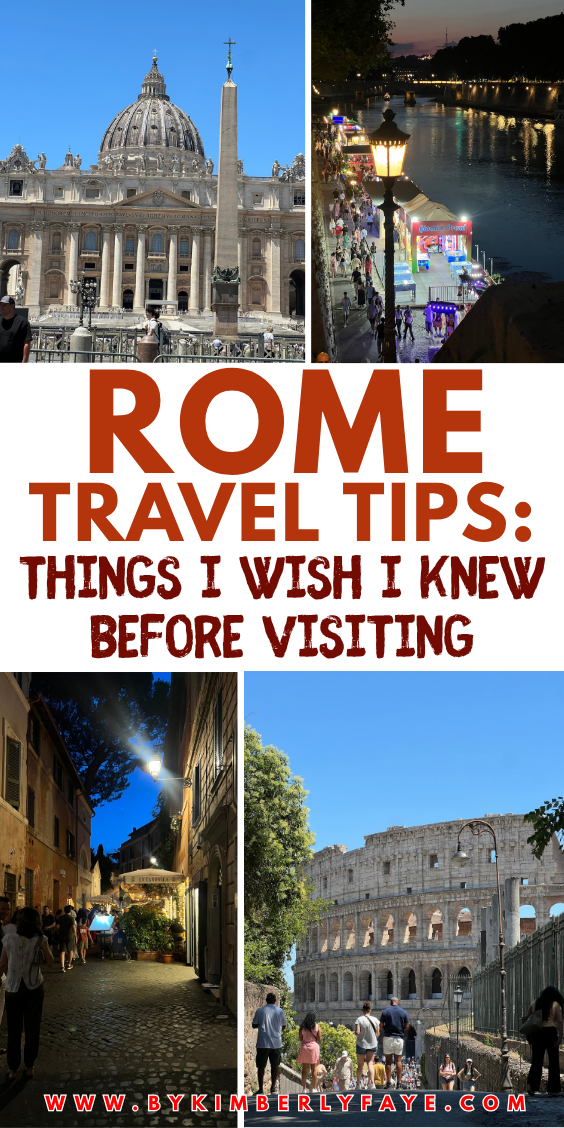
How to Spend 3 Days in Rome, Italy Without Missing the Highlights
This site contains affiliate links. I may earn a small commission, at no extra cost to you.
Rome has a way of making even a simple weekend feel like a much bigger adventure. Ancient ruins, elegant piazzas, hidden churches, lively streets, and incredible food are packed into a city where every turn seems to reveal another piece of history. Before my first visit, I imagined that planning would simply mean making a list of famous landmarks, but I quickly realized that knowing how to move around the city, organize sightseeing, and manage your time makes a huge difference.
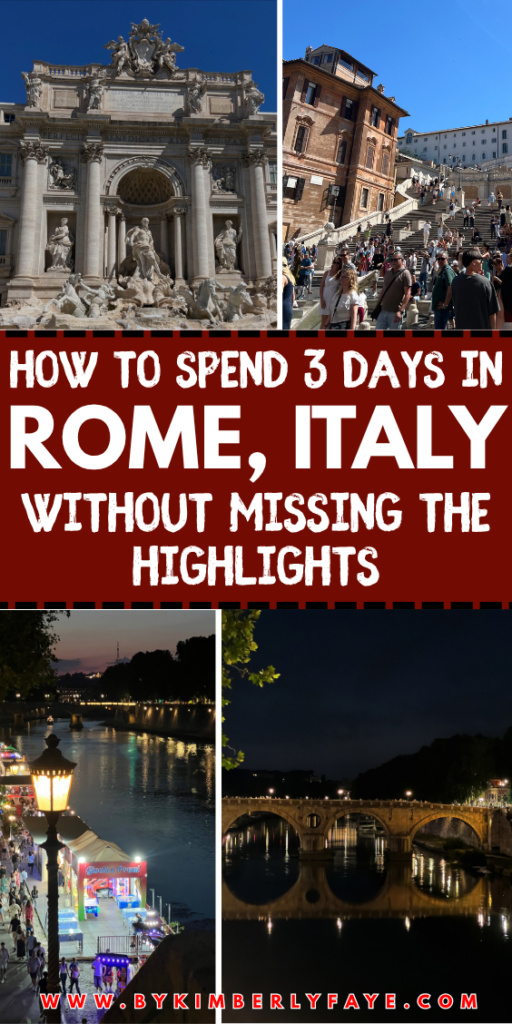
These Rome travel tips are designed to help first-time visitors enjoy the city without making their itinerary unnecessarily complicated. From understanding how much you can realistically see in a short trip to deciding when to walk, when to use transportation, and how to prepare for different seasons, this practical Rome travel guide focuses on the little things that can make your visit smoother and more enjoyable.
Two Days Can Be Enough for a First Taste
If you only have a weekend available, don’t assume that a short trip isn’t worthwhile. A carefully planned two-day European itinerary can give you a memorable introduction to Rome if you concentrate on the city’s most important areas rather than attempting to see everything.
Use one day for ancient and historic Rome and another for areas such as Vatican City and the surrounding neighborhoods. The key is choosing a manageable number of highlights and accepting that you’re getting a taste of the city rather than trying to experience all of Rome in one weekend.
Think About Rome as Several Different Experiences
Rome doesn’t feel the same everywhere. The atmosphere around ancient ruins can be completely different from the energy of a lively neighborhood filled with restaurants, while elegant shopping streets offer another side of the city.
When deciding what to see in Rome, think beyond a list of famous landmarks and consider the types of experiences you want. Mixing history, food, architecture, local neighborhoods, viewpoints, and relaxed café time will make your trip feel much more varied.
Build Your Own Walking Route
Walking is one of the best ways to understand Rome because so many interesting details are found between the major attractions. Rather than following a rigid route from one landmark to another, create a loose Rome walking itinerary with several points of interest along the way.
Leave enough time to stop when something catches your attention. A beautiful courtyard, small church, local bakery, street musician, or interesting shop can easily become part of your day without having been included in your original plan.
Look Beyond the Most Famous Landmarks
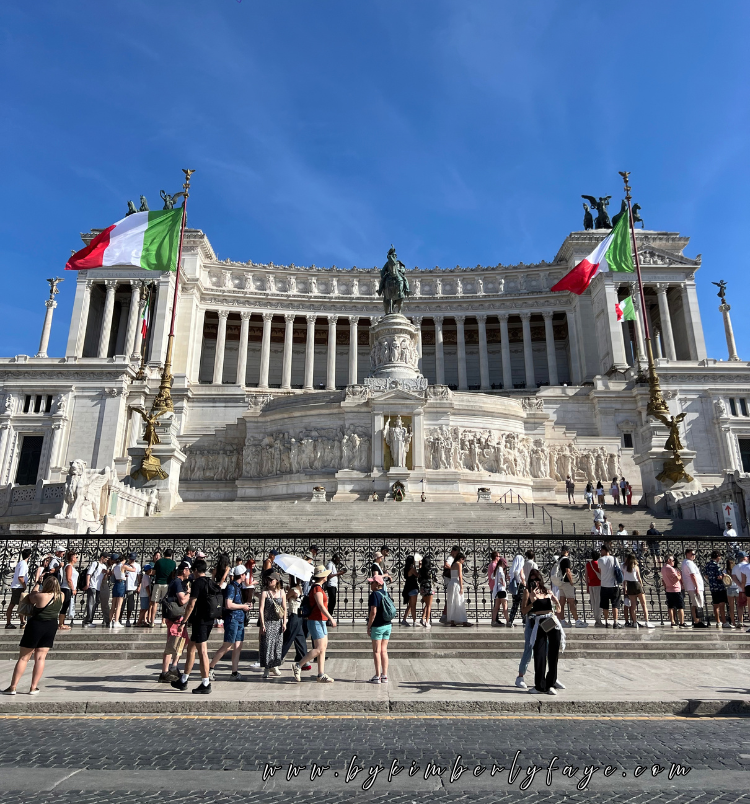
Rome’s famous attractions deserve their place on a first-time itinerary, but they aren’t the only places worth seeing. Smaller squares, historic streets, neighborhood churches, local markets, and independent cafés can provide a different perspective on the city.
Some of the best things to do in Rome involve simply exploring without a major attraction as your destination. Give yourself at least part of one day to experience Rome without constantly looking for the next famous landmark.
Consider a Guided Tour for the History
Rome contains centuries of history that aren’t always obvious when you’re standing in front of a monument. A knowledgeable Rome tour guide can provide historical context, explain architectural details, and connect individual sites to the larger story of the city.
You don’t need a guided tour for everything. Choosing one well-planned historical tour and exploring other areas independently can give you a good balance between learning and having freedom.
Learn a Few Useful Italian Expressions
You don’t need to speak fluent Italian before you travel to Rome, but learning a handful of basic expressions can make everyday interactions feel easier and more pleasant. Simple words such as buongiorno, grazie, per favore, and scusi are useful throughout your trip.
You can also learn phrases for ordering food, asking for directions, or requesting the bill. Even a small amount of preparation can make restaurant visits and casual interactions feel more comfortable.
Don’t Make Every Meal a Destination
Food is one of the best reasons to leave some flexibility in your itinerary. You don’t need to travel across the city every time you want lunch or dinner; sometimes the restaurant you find near your current neighborhood will become one of your favorite discoveries.
Try different types of places throughout your trip, from traditional trattorias to bakeries, cafes, markets, and casual pizza spots. This also prevents your schedule from becoming unnecessarily complicated.
Save Some Time for Shopping and Local Streets
If you’re interested in fashion, souvenirs, crafts, or Italian products, don’t leave shopping until the final hour of your trip. Rome has a mixture of major shopping streets, independent boutiques, markets, and small stores where you can browse at a relaxed pace.
Even if shopping isn’t a priority, these streets can be enjoyable to explore between major attractions. They provide another way to experience the city beyond traditional sightseeing in Rome.
Keep Your Phone Ready for the Day
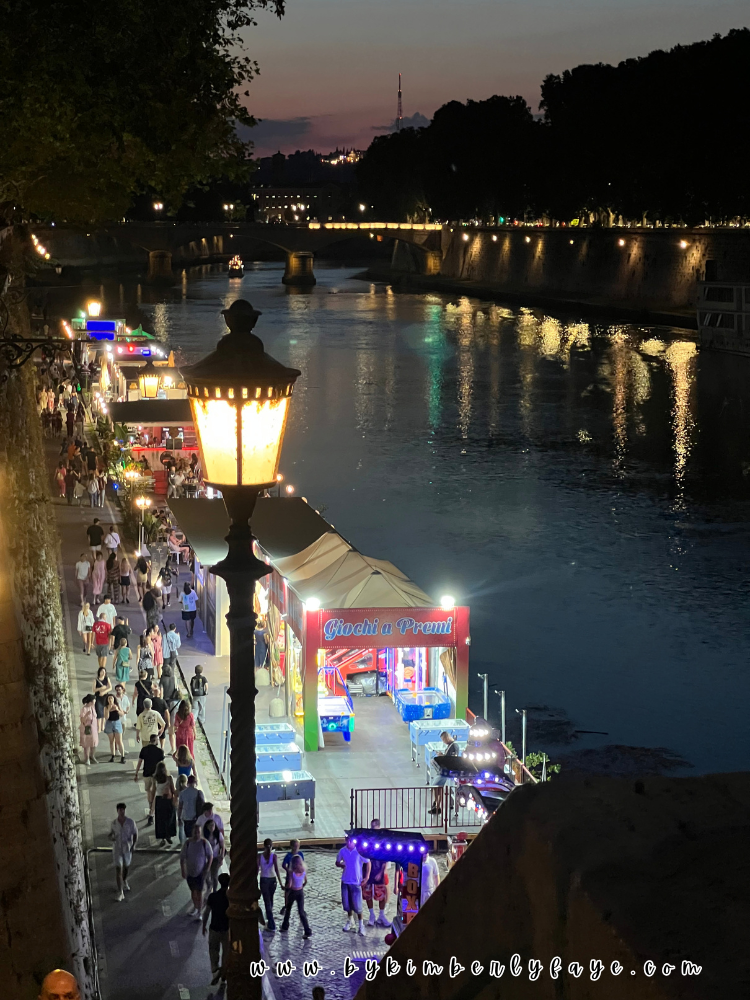
Your phone can become one of your most useful travel tools in Rome. Maps, digital tickets, restaurant information, translation tools, transportation details, and photographs can all use considerable battery throughout a long day.
Before leaving your accommodation, make sure your phone is charged, and your important reservations are easy to access. Carrying a small power bank can be particularly helpful if you’re spending most of the day away from your hotel.
Don’t Underestimate November
Visiting Rome in November can offer a very different experience from the busy summer months. Temperatures are generally cooler, daylight hours are shorter, and you should be prepared for changing weather, so layers and a compact rain jacket or umbrella can be useful.
The season can also encourage a slower style of travel. Instead of planning every day around outdoor sightseeing, combine historical attractions with museums, cafes, restaurants, and indoor experiences.
Rome Travel Checklist
PLANNING: Start by choosing the places and experiences you most want to see in Rome. Try to group attractions that are close to each other, so you don’t waste time traveling across the city. Leave a little extra space between activities for walking, taking photos, grabbing coffee, or simply enjoying the streets.
TICKETS: Check ahead to see which attractions require tickets or reservations. Popular places can have timed entry, so booking early can make your day much easier. Save your tickets and confirmations on your phone, and take screenshots so you can access them even without internet.
WALKING: Be prepared to walk a lot because many of Rome’s most beautiful areas are best experienced on foot. You may come across cobblestone streets, stairs, and uneven paths, so comfortable shoes are essential. Bring a few blister plasters too, especially if you plan to spend most of the day exploring.
CLOTHING: Pack comfortable clothes that you can easily layer throughout the day. A light jacket or sweater is useful for cooler mornings and evenings, while a waterproof layer can help during rainy weather. If you plan to visit churches or religious sites, remember to bring clothing that provides suitable coverage.
ESSENTIAL ACCESSORIES: A few simple accessories can make your sightseeing days much more comfortable. A secure crossbody bag is great for carrying your phone, wallet, tickets, and other small essentials, while a portable power bank keeps your phone charged for maps and photos. A reusable water bottle, sunglasses, and compact umbrella are also worth keeping in your day bag.
FOOD & WATER: Don’t plan every meal too strictly because some of the best food experiences can happen spontaneously. Leave time to stop at a cafe, bakery, gelato shop, or local restaurant when something catches your attention. Keep a bottle of water with you as well, especially when you’re spending several hours walking around.
LANGUAGE: You don’t need to speak fluent Italian to enjoy your trip, but learning a few basic phrases can be helpful. Simple words such as buongiorno, grazie, per favore, and scusi are easy to remember and useful in everyday situations. A translation app can also help when you need to understand menus, signs, or longer conversations.
FLEXIBILITY: Try not to make your itinerary so full that you have no time to slow down. Rome is full of beautiful streets, small squares, cafés, shops, and unexpected places that may not be on your original list. Leaving a few open hours gives you the freedom to change your plans and enjoy the city at your own pace.
Essential Accessories for Rome
- Secure crossbody bag: Keep your phone, wallet, tickets, and essentials organized and close to you.
- Portable power bank: Useful for maps, digital tickets, translations, and photography throughout the day.
- Reusable water bottle: Convenient for staying hydrated during long walks.
- Sunglasses: Helpful during bright afternoons and outdoor sightseeing.
- Compact umbrella: Easy to carry and useful during unexpected rain.
- Foldable tote bag: Perfect for carrying souvenirs or small purchases.
- Blister plasters: A simple addition that can be very useful after hours of walking.
Where to Stay in Rome
Choosing the right area to stay can make your first trip to Rome much easier and more enjoyable. For a central luxury experience, Hotel de Russie near Piazza del Popolo and the Spanish Steps offers an elegant setting and a convenient location for exploring the historic center. Hotel Hassler Roma, right beside the Spanish Steps, is another classic option for travelers looking for traditional Roman elegance, while Six Senses Rome offers a more modern luxury experience with wellness facilities in a highly central location.
If being close to ancient landmarks is your priority, Palazzo Manfredi is a memorable option near the Colosseum, with several rooms offering views toward the famous monument. For something smaller and more boutique-style, Maison Roma Piazza di Spagna on Via Margutta puts you close to cafés, galleries, shopping, and the Spanish Steps. Travelers looking for a more practical base can also consider hotels around the Termini and central Rome areas, which offer convenient access to public transportation and make it easier to reach different parts of the city.
For a first visit, staying in or close to the historic center can save valuable time, particularly if you only have two or three days in Rome. Consider your priorities before booking: choose the Spanish Steps area for elegant surroundings and shopping, the Colosseum area for ancient Rome, or a central transport-friendly neighborhood if you plan to explore different parts of the city.
What I Wish I Knew Before Visiting Rome
If I could give my first-time self one piece of advice, it would be to stop treating Rome like a checklist of famous attractions. The landmarks are important, but the city becomes much more enjoyable when you allow time for the streets, food, architecture, neighborhoods, and small discoveries between them.
I would also plan fewer activities and give myself more time to experience each area properly. A successful Rome trip isn’t necessarily the one where you see the most; it’s the one where you return home feeling that you actually experienced the city.
FAQs
Is two days enough to visit Rome?
Two days can provide a good introduction if you prioritize a few major attractions and organize your itinerary carefully. You won’t see everything, but you can experience several important parts of the city.
What should I see in Rome for the first time?
First-time visitors often focus on Rome’s ancient monuments, historic center, major churches, famous fountains, and distinctive neighborhoods. Choose the attractions that interest you most rather than trying to include every famous sight.
Is Rome easy to explore on foot?
Many central areas are enjoyable to explore on foot, particularly when attractions are grouped geographically. However, distances can add up quickly, so combining walking with public transportation can be useful for longer journeys.
Is November a good time to visit Rome?
November offers cooler weather and a different atmosphere from the warmer peak travel months. Pack layers and prepare for possible rain, while balancing outdoor sightseeing with museums, cafés, and other indoor activities.
Should I take a guided tour in Rome?
A guided tour can be useful for understanding the history and context behind major landmarks. You can combine a guided experience with independent exploration to maintain flexibility during the rest of your trip.
How should I plan a Rome walking itinerary?
Choose one general area for each walking session and select several points of interest along the route. Leave time for cafés, photographs, shops, and unexpected stops instead of scheduling every minute.




2 Comments
Comments are closed.