Naples Italy Travel Guide: What to See, Eat & Explore
This site contains affiliate links. I may earn a small commission, at no extra cost to you.
Naples is one of those Italian cities that can feel a little overwhelming at first, but it quickly becomes one of the most memorable places to visit. Between its lively streets, historic buildings, seaside views, incredible food, and easy access to some of southern Italy’s most famous destinations, there is much more to the city than a quick stop before heading somewhere else. The atmosphere is energetic and wonderfully imperfect, with something interesting happening around almost every corner.
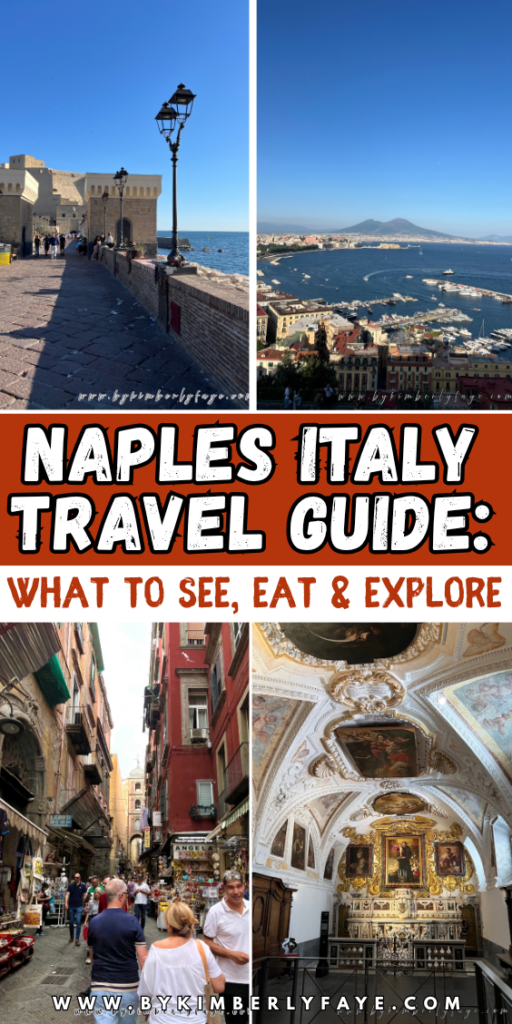
If you’re planning your first visit, a little preparation can make the experience much easier. This guide covers practical Naples travel tips, from deciding how long to stay and choosing what to see to planning your days, getting around, and leaving enough time to enjoy the city without rushing from one attraction to another.
Give Naples More Than a Quick Afternoon
One of the biggest mistakes first-time visitors can make is treating Naples as a short stop between other destinations. The city has enough history, food, culture, and atmosphere to keep you busy for several days without needing to rush.
If you’re wondering how to spend 2 days in Naples, Italy, focus on a manageable selection of historic streets, museums, viewpoints, food experiences, and waterfront areas. A longer stay gives you more time to explore neighborhoods at a slower pace and take a day trip if you want to see more of the surrounding region.
Spend Time Exploring the Historic Center
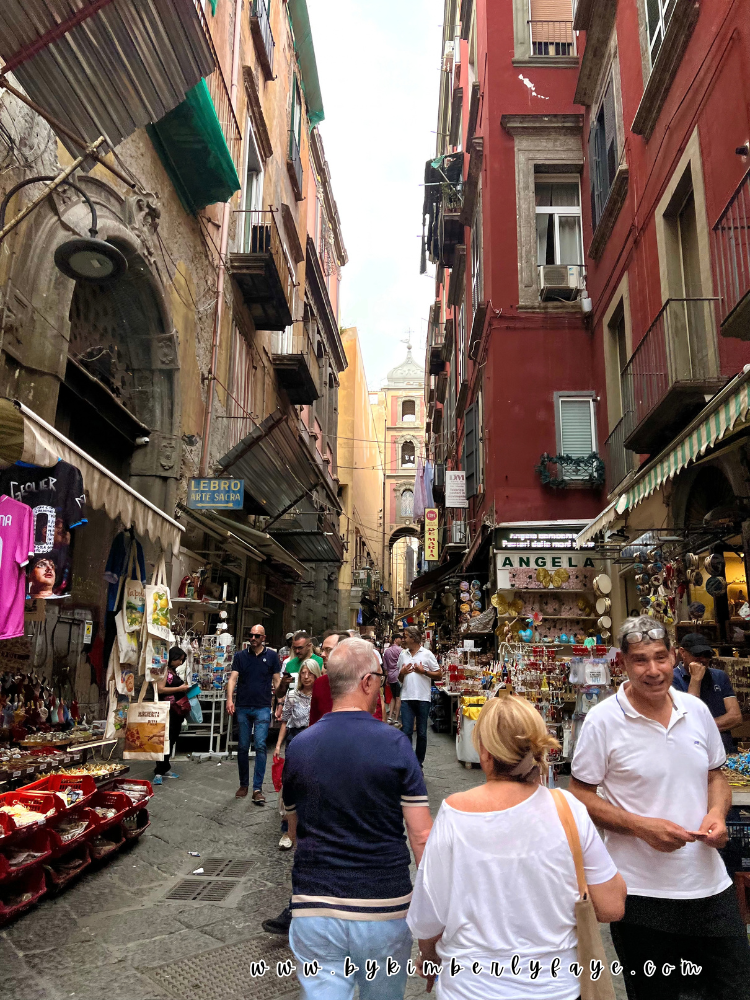
The historic center is one of the best places to get a feel for Naples. Narrow streets, old buildings, small churches, local shops, and busy pedestrian areas create an atmosphere that feels completely different from the polished parts of many Italian cities.
Take your time instead of treating the historic center as a route between attractions. Some of the most memorable moments can come from simply wandering down a street, stopping for coffee, or discovering a small shop you hadn’t planned to visit. A better approach is to organize your Naples travel itinerary by neighborhood. Choose one or two nearby areas each day and explore the attractions, cafes, shops, and streets around them before moving on.
Make Food Part of Your Itinerary
Food should be treated as one of the main experiences rather than something you squeeze between sightseeing stops. Naples is famous for its pizza, but there is much more to try, including pastries, pasta dishes, seafood, street food, and strong Italian coffee.
When planning what to do in Naples, Italy, leave room for food breaks throughout the day. A relaxed lunch or an afternoon pastry stop can give you a welcome break from sightseeing while also introducing you to another part of local culture. Pizza is such an important part of the city that it naturally belongs on any Naples bucket list. Try it in a traditional pizzeria, but also leave room to discover other local dishes during your stay.
Explore Naples Underground
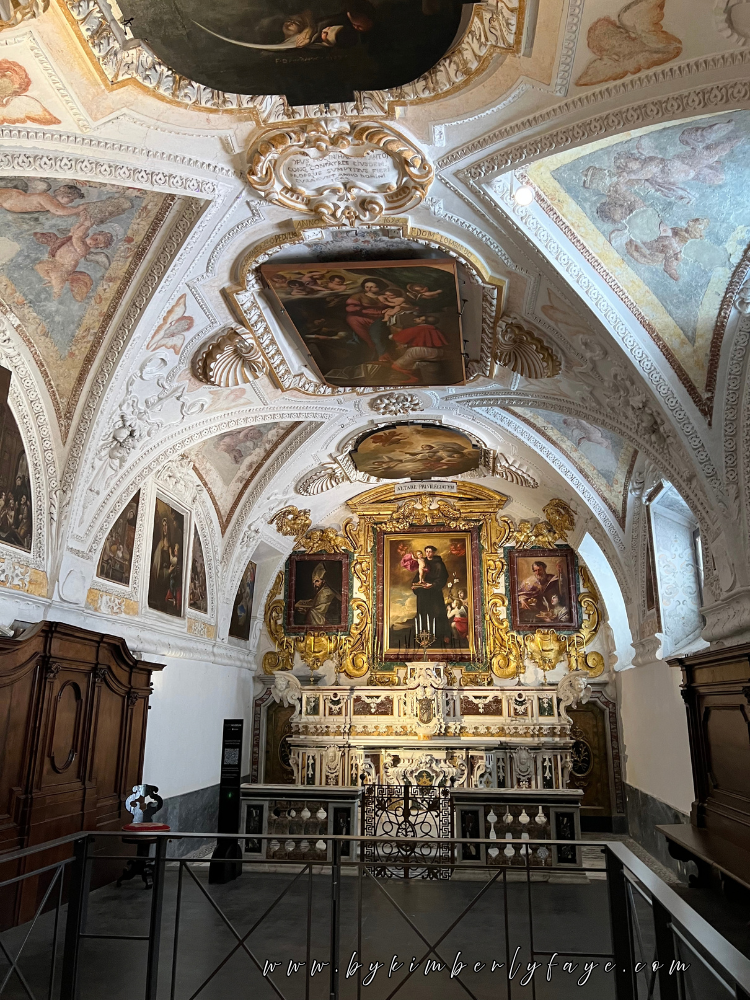
There is a fascinating world beneath the streets of Naples, with tunnels, passages, and historic underground spaces that reveal another side of the city’s long history. Visiting one of these sites can add variety to a trip that otherwise focuses mainly on streets and museums.
If you’re interested in history, architecture, or unusual experiences, add an underground attraction to your plans. It is one of those activities that can make your trip feel different from a typical Italian city break.
Visit the Archaeological Museum
Naples is an excellent destination for travelers interested in ancient history and archaeology. The city’s archaeological museum contains an impressive collection connected with the ancient Roman world and the archaeological sites of the surrounding region.
Give yourself enough time to explore instead of treating the museum as a quick stop. Combining a museum visit with nearby historic areas can also help you understand the history you’ll encounter throughout the rest of your trip.
Save Time for the Waterfront
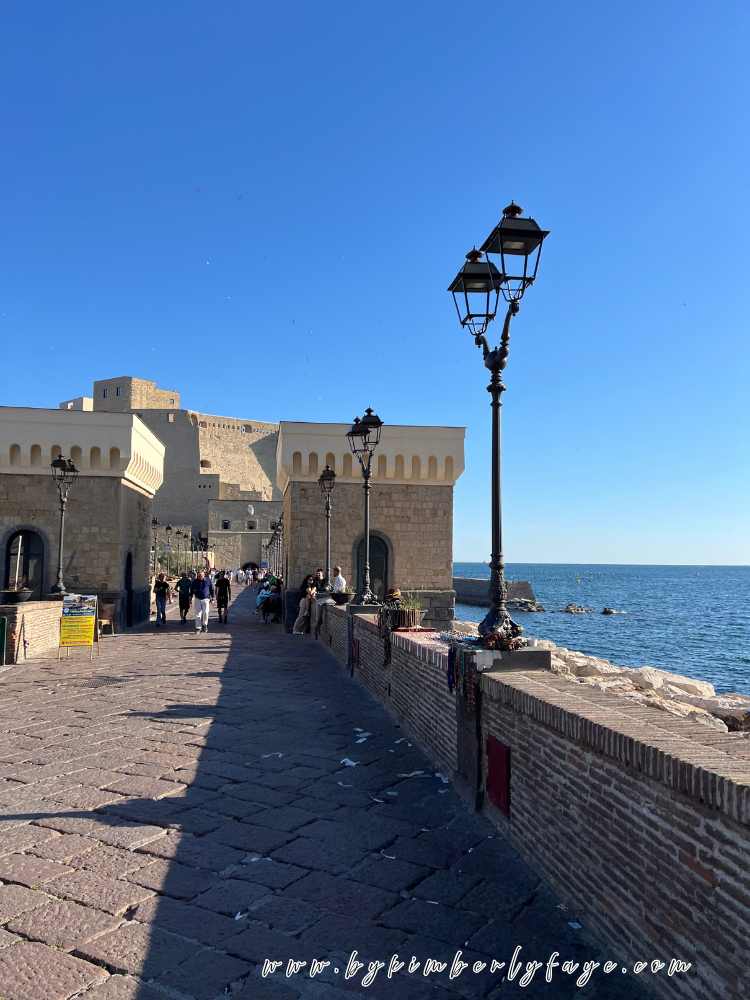
When you need a break from the busy streets, head toward the waterfront. The views across the Bay of Naples create a completely different atmosphere, especially when you have time to walk slowly and enjoy the scenery.
The waterfront is particularly enjoyable around sunset when the light changes across the bay. Bring your camera, find a comfortable place to pause, and resist the temptation to immediately move on to the next attraction.
Be Smart With Your Belongings
As with any busy European city, it’s sensible to pay attention to your belongings when you’re in crowded streets, public transportation, markets, and busy tourist areas. Keep your phone and wallet secure and avoid carrying unnecessary valuables around all day.
A small crossbody bag with a secure closure can be useful for sightseeing. You don’t need to be constantly worried, but staying aware of your surroundings is a simple part of sensible travel planning in Naples.
Plan Your Evenings Differently
Naples doesn’t suddenly become quiet once the main sightseeing hours are over. Restaurants, cafes, squares, and waterfront areas can become lively in the evening, giving you a chance to experience the city from a different perspective.
Instead of returning to your accommodation immediately after dinner, consider taking a relaxed evening walk or finding a cafe for coffee or dessert. Just keep your plans sensible and stay aware of your surroundings. Major attractions may be the reason you first come to Naples, but the smaller streets are where you’ll often experience the city’s everyday character. Look for local cafes, bakeries, small stores, balconies filled with laundry, and neighborhood squares.
First-Time Naples Travel Checklist
PLANNING: Start by making a short list of the places, neighborhoods, and experiences you are genuinely excited about. Naples has plenty to offer, so choosing your priorities before the trip will help you avoid trying to fit everything into one day. It can also help to plan your sightseeing around nearby areas, giving you more time to explore instead of constantly traveling across the city.
TICKETS: Some museums, historic attractions, and guided experiences may have limited entry times, especially during busy travel periods. Check the official booking information before your visit and reserve anything important to your itinerary. Keep digital tickets and confirmations somewhere easy to find, and save screenshots so you don’t have to rely on a strong internet connection.
WALKING: Exploring Naples on foot can be one of the best ways to experience its streets, but comfortable footwear is a must. You may encounter uneven pavement, stairs, narrow lanes, and plenty of walking between stops. Choose shoes that you’ve already worn and know are comfortable, especially if you expect to spend most of the day outside.
CLOTHING: Choose simple, comfortable outfits that can work for sightseeing during the day and dinner in the evening. Lightweight layers are useful because temperatures can change throughout the day, particularly during spring and autumn. A thin waterproof jacket or compact raincoat is also worth packing if rain is in the forecast.
ACCESSORIES: Keep your day bag practical rather than overloaded with things you probably won’t use. A secure crossbody bag, portable charger, reusable water bottle, sunglasses, and compact umbrella can cover most everyday needs. A foldable tote is another useful addition for carrying snacks, small purchases, or souvenirs without needing another large bag.
FOOD: Make food part of your plans instead of treating it as something you have to squeeze between attractions. Give yourself time to enjoy Neapolitan pizza, pastries, seafood, pasta, coffee, and gelato without constantly checking the clock. Some of your favorite meals may come from places you discover while walking around, so leave a little room for spontaneous stops.
TRANSPORTATION: Take a few minutes to check your route before heading to a different part of the city. Naples has several transportation options, but knowing where you need to go and which route you want to take can make the day feel much easier. Keep maps, important addresses, and accommodation details saved on your phone for quick access.
FLEXIBILITY: Your itinerary doesn’t need to go exactly according to plan. Leave some open time for a neighborhood that catches your attention, an unexpected cafe, a beautiful viewpoint, or a longer lunch. Having a flexible schedule also means you can slow down when you’re tired instead of feeling pressured to reach the next attraction.
Where to Stay in Naples
Choosing the right accommodation depends on the kind of Naples experience you want. For a stylish luxury stay, Grand Hotel Vesuvio is located near the waterfront and offers an elegant setting with views across the Bay of Naples. Romeo Napoli is another upscale option in a central location, combining contemporary design with a rooftop pool and views toward the city and bay. If you prefer a historic atmosphere, Grand Hotel Parkers offers a classic hotel experience in the Vomero area, away from some of the busiest streets.
For travelers who want to stay closer to the historic heart of the city, Santa Chiara Boutique Hotel is a charming option near the historic center, making it convenient for exploring on foot. Hotel Piazza Bellini & Apartments is another practical choice for visitors who want to be close to restaurants, cafés, and the lively streets around the city center. You can also look for smaller guesthouses and apartment-style stays in neighborhoods such as Chiaia and Centro Storico if you prefer a more local atmosphere.
When choosing where to stay, think about how you want to spend most of your time. Waterfront accommodation can offer beautiful evening views, while the historic center puts you closer to many cultural attractions and restaurants. For a first visit, a well-connected location with easy access to public transportation can make it much simpler to explore Naples without spending too much time getting from place to place.
Final Thoughts
The biggest thing I would change about a first trip to Naples is trying to fit too much into each day. The city is much more enjoyable when you give yourself time to experience its neighborhoods, food, history, and waterfront without constantly watching the clock.
I would also arrive with an open mind. Naples has a personality of its own, and it may feel different from the quieter or more polished Italian destinations you have visited. Once you stop comparing it with other cities and start experiencing it on its own terms, the food, streets, history, and everyday atmosphere become a much bigger part of the adventure.
FAQs
How many days do you need in Naples?
Two to three days can provide a good introduction to the city, especially if you organize your itinerary by neighborhood. A longer stay gives you more time for museums, food experiences, relaxed exploration, and day trips.
What are the best things to see in Naples?
The historic center, archaeological collections, underground attractions, waterfront, churches, viewpoints, and local food scene are all worth considering. Choose attractions based on your interests rather than trying to visit everything.
What are the best things to do in Naples?
Exploring the historic center, eating traditional pizza, visiting museums, discovering underground sites, walking along the waterfront, and enjoying local cafés are some of the experiences that can make a first visit memorable.
Are 2 days enough for Naples, Italy?
Two days can work well for a first introduction if you keep your plans focused. Concentrate on the city’s main areas and avoid filling both days with long excursions outside Naples.
How should I plan a Naples itinerary?
Start by choosing your must-see attractions and then group them according to location. Build in time for food, walking, and breaks instead of scheduling every hour.
What should I put on my Naples bucket list?
Consider adding a traditional pizza experience, a walk through the historic center, an archaeological museum visit, an underground tour, waterfront views, and time to explore local neighborhoods without a fixed destination.





One Comment
Comments are closed.