Rome Italy Travel Guide: The Best Places to See on Your First Trip
This site contains affiliate links. I may earn a small commission, at no extra cost to you.
Rome is one of those cities that somehow lives up to every expectation. Before I visited, I imagined ancient ruins, charming cafés, beautiful piazzas, and streets filled with history. What I didn’t expect was how effortlessly Rome blends thousands of years of history with everyday Italian life. One minute you’re standing in front of a world-famous monument, and the next you’re sipping an espresso at a neighborhood café surrounded by locals.
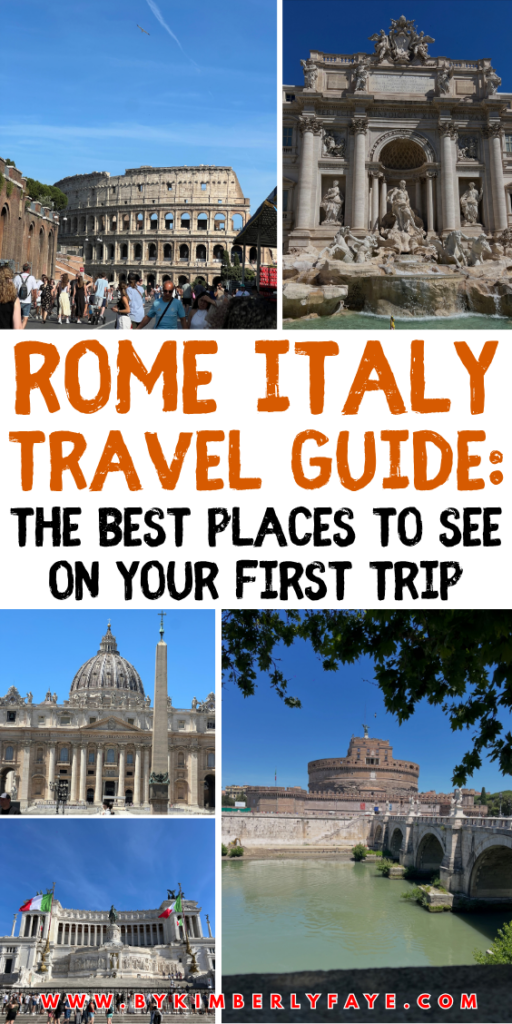
I quickly realized that Rome isn’t a city you should rush through. Every neighborhood has its own personality, and some of my favorite moments came from wandering cobblestone streets without a plan, discovering hidden fountains, family-run gelato shops, and colorful piazzas tucked away from the busiest crowds.
If it’s your first visit, this Rome travel guide will help you discover the city’s must-see landmarks, beautiful neighborhoods, local experiences, and practical tips for planning an unforgettable trip.
Things to See in Rome, Italy
Watch Sunrise at the Colosseum
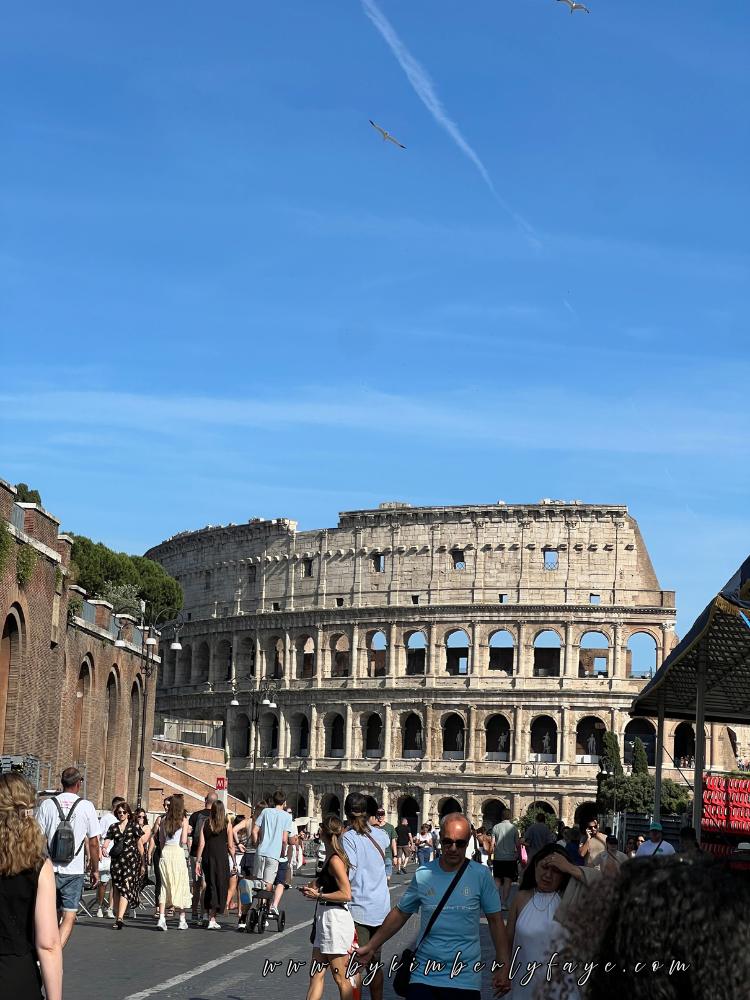
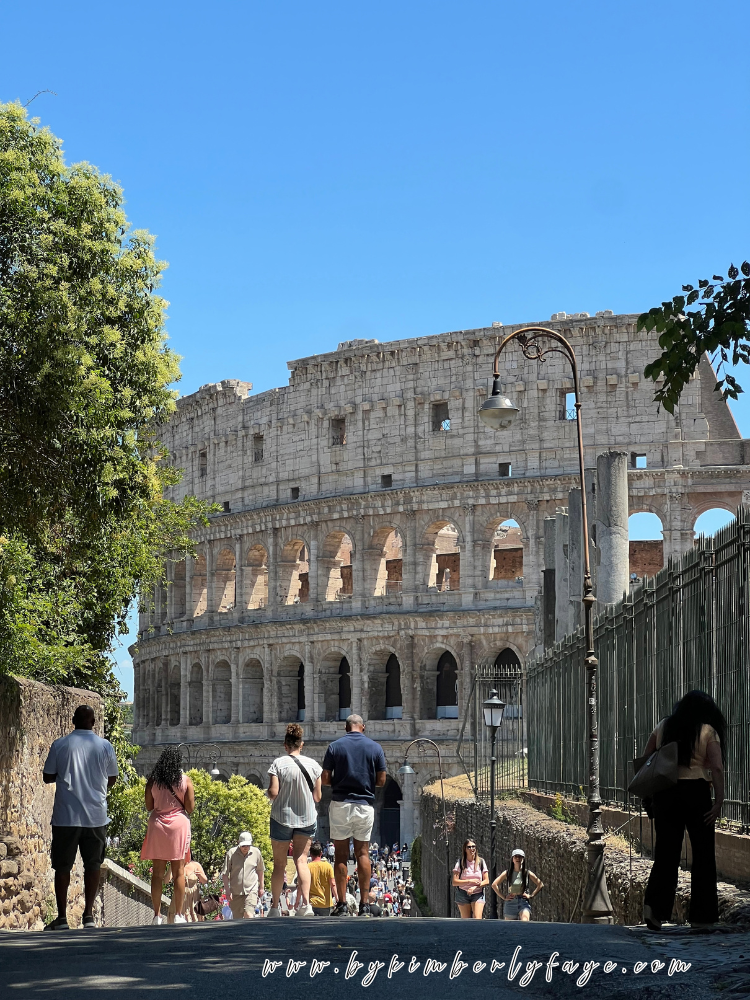
The Colosseum is probably the first image that comes to mind when people think of Rome, but visiting it early in the morning completely changes the experience. Instead of large crowds, you’ll find peaceful streets, soft golden light, and plenty of space to admire one of the world’s most famous landmarks.
I loved walking around the exterior before entering because the morning light made the ancient stone glow beautifully. It also made it much easier to take photos before tour groups arrived.
Inside, it’s fascinating to imagine the thousands of spectators who once filled the arena centuries ago. Standing where gladiators once fought makes history feel incredibly real.
Travel Tip: Book your ticket in advance and choose one of the earliest entry times.
Wander Through the Roman Forum
Right beside the Colosseum, the Roman Forum feels like walking through an open-air museum.
Rather than a single monument, it’s an enormous archaeological site filled with ancient temples, government buildings, and stone pathways that were once the center of Roman life. I found it much more interesting than I expected because every corner tells another story about ancient Rome.
Take your time exploring instead of rushing through. Some of the best viewpoints overlook both the Forum and the Colosseum together.
If you love history, this is easily one of the essential things to do in Rome, Italy.
Toss a Coin Into the Trevi Fountain
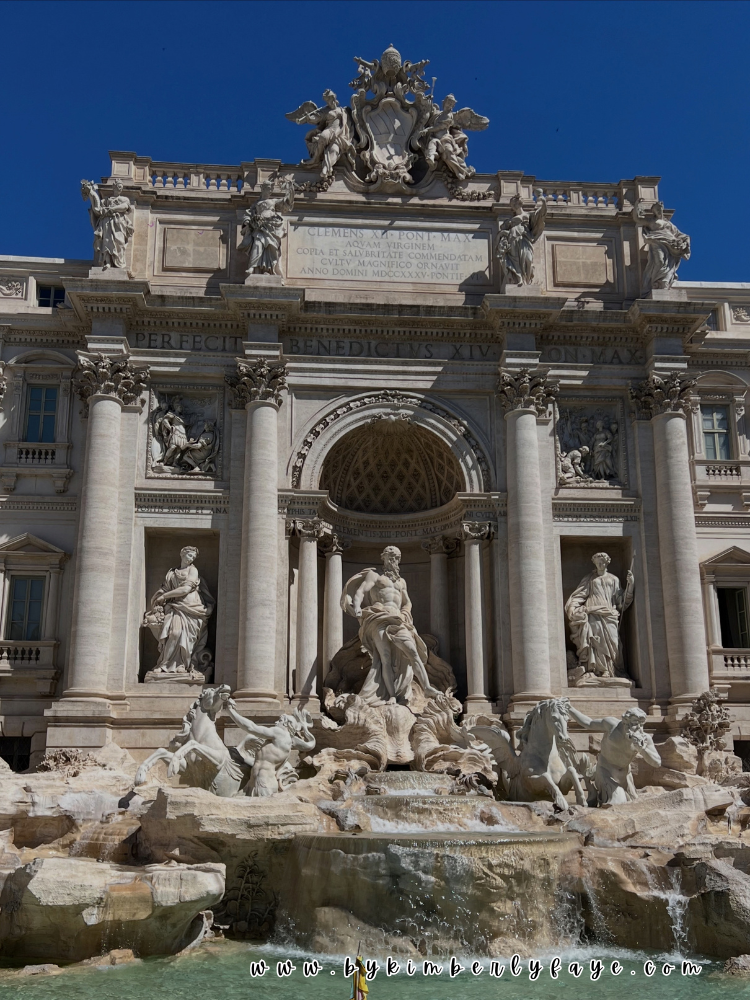
No first trip to Rome feels complete without visiting the Trevi Fountain.
Yes, it’s busy, but it’s famous for a reason. The fountain is even more impressive in person, with enormous marble sculptures and constantly flowing water creating one of the city’s most iconic scenes.
I recommend visiting twice: once early in the morning for photos and again in the evening when it’s beautifully illuminated.
And of course, don’t forget the tradition of tossing a coin over your shoulder into the fountain for good luck and a future return to Rome.
Step Inside the Pantheon
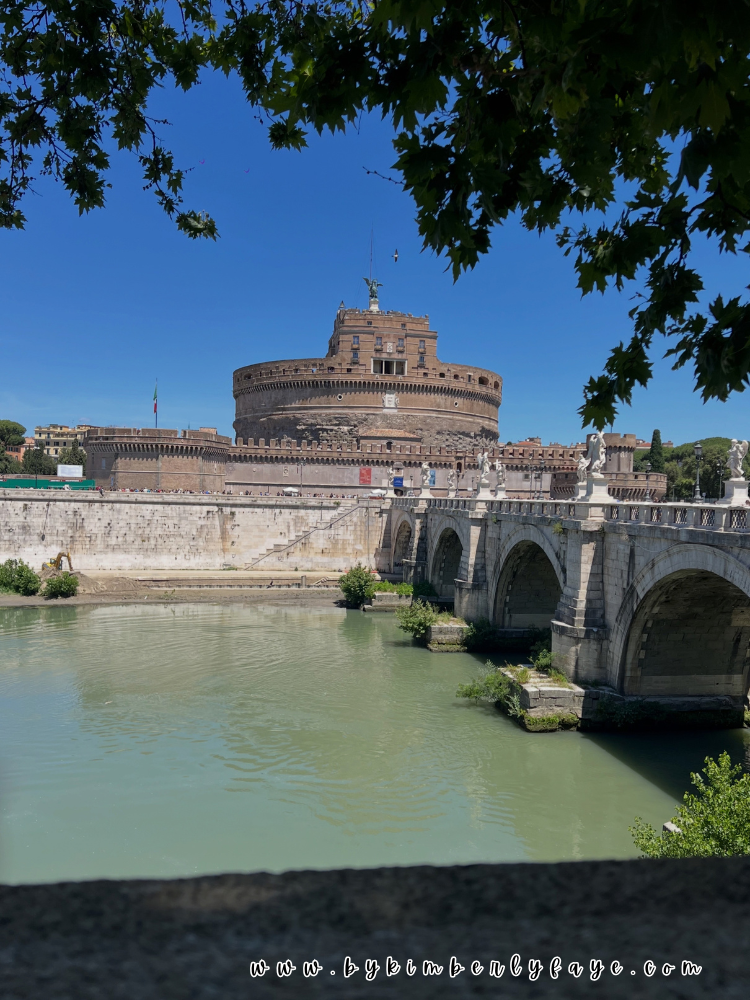
The Pantheon completely amazed me.
From the outside, it looks impressive, but walking inside and looking up at the enormous dome is unforgettable. The famous oculus lets natural light pour into the building, creating a different atmosphere throughout the day.
It’s incredible to think this ancient building has survived for nearly two thousand years and is still one of Rome’s most beautiful landmarks.
Spend a few extra minutes sitting quietly inside you’ll notice details that are easy to miss when you’re walking quickly.
Spend an Afternoon in Piazza Navona
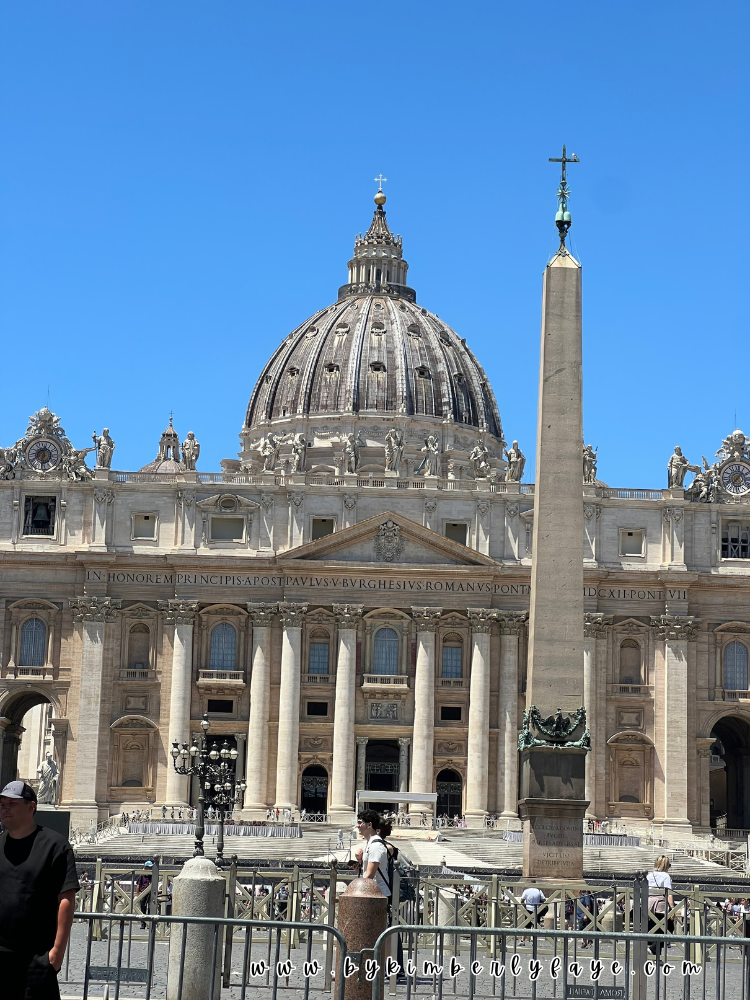
Piazza Navona became one of my favorite squares in Rome because it feels full of life at every hour of the day.
Street artists paint portraits, musicians perform live music, fountains flow in the center of the square, and cafés spill onto the sidewalks. It’s the perfect place to slow down with a coffee or gelato and simply people-watch.
I ended up returning here more than once because the atmosphere changes throughout the day. Mornings feel peaceful, while evenings become lively with locals and travelers enjoying dinner outdoors.
It’s one of the places that perfectly captures the Rome vibes everyone talks about.
Quick Rome Planning Tips
Best Area to Stay: Stay in Centro Storico for easy walking access to Rome’s famous landmarks, Trastevere for charming streets and local restaurants, or Monti for boutique cafés and a quieter neighborhood vibe.
Best Time to Visit: Spring (April–May) and autumn (September–October) offer the most comfortable weather for sightseeing. If you’re visiting during summer in Rome, start your days early to avoid the afternoon heat.
How to Get Around: Rome is a city best explored on foot, but the Metro and buses are useful for reaching places like Vatican City and Villa Borghese. A contactless bank card or transit pass makes public transportation simple.
How Many Days to Spend: Plan 3-4 days for your first trip. This gives you enough time to see the iconic landmarks, explore historic neighborhoods, enjoy local food, and leave room for spontaneous discoveries.
Foods You Can’t Miss: Try authentic carbonara, cacio e pepe, Roman-style pizza, supplì, creamy gelato, tiramisu, and a classic Italian espresso during your visit.
What to Pack: Bring comfortable walking shoes, lightweight clothing, sunglasses, sunscreen, a portable charger, and a reusable water bottle. Pack a light scarf or modest clothing if you plan to visit churches and Vatican City.
Best Time to Start Exploring: Begin sightseeing in the morning to enjoy popular attractions like the Colosseum, Trevi Fountain, and the Pantheon before the largest crowds arrive.
Bonus Tip: Don’t spend your entire trip checking off landmarks. Leave time to wander Rome’s cobblestone streets, relax in neighborhood cafes, browse local boutiques, and discover hidden piazzas that make the city feel truly unforgettable.
Where to Stay In Rome
For a first trip to Rome, I recommend staying in Centro Storico, Trastevere, or Monti because these neighborhoods offer the best combination of convenience, atmosphere, and easy access to the city’s top attractions. Centro Storico is ideal if you want to walk to iconic landmarks like the Pantheon, Trevi Fountain, Piazza Navona, and Campo de’ Fiori. Trastevere is perfect for travelers who love charming cobblestone streets, local cafes, lively restaurants, and a more authentic Roman atmosphere, while Monti is a stylish neighborhood filled with boutique shops, specialty coffee spots, and easy walking access to the Colosseum and Roman Forum.
If you’re looking for hotel recommendations, some of the best luxury stays include Hotel de Russie, Singer Palace Hotel, and Palazzo Manfredi, all offering beautiful rooms and excellent locations. For mid-range options, The Fifteen Keys Hotel, Hotel Artemide, and Navona Palace Luxury Inn provide great value with modern amenities in central Rome. Budget-friendly travelers can also find wonderful guest houses such as Residenza Maritti Classic Rooms, Domus Helena Guest House, and Nikis Collection Navona, which offer comfortable stays within walking distance of many of Rome’s most famous attractions. Booking your accommodation in one of these neighborhoods will make exploring Rome much easier, especially if it’s your first visit.
What to Wear in Rome
Choosing what to wear in Rome is surprisingly important because you’ll spend hours walking on cobblestone streets. Lightweight dresses, linen shirts, comfortable sneakers, sandals with support, and breathable outfits work perfectly during warmer months. If you’re visiting churches or the Vatican, bring a light scarf or clothing that covers your shoulders and knees.
If you’re planning summer in Rome, pack sunglasses, sunscreen, a hat, and airy clothing to stay comfortable during the afternoon heat. Neutral colors and linen fabrics also fit beautifully with the city’s timeless architecture, making them perfect Rome travel outfits for sightseeing and photos.
FAQs
How many days do you need in Rome?
I recommend spending 3 to 4 days in Rome for a first visit. That gives you enough time to see the major landmarks while also exploring neighborhoods at a relaxed pace.
What is the best month to visit Rome?
Spring and autumn offer the most comfortable weather, while summer in Rome is perfect if you enjoy long evenings, outdoor dining, and lively city squares.
Is Rome walkable?
Yes. Many of Rome’s most famous attractions are within walking distance, although you’ll likely walk several miles each day.
What should I wear when visiting churches in Rome?
Bring clothing that covers your shoulders and knees, especially when visiting Vatican City and other religious sites.
Is Rome worth visiting for first-time travelers?
Absolutely. It’s one of the best destinations for history, food, architecture, shopping, and unforgettable city views.
What should I add to my Italy bucket list besides Rome?
Florence, Venice, the Amalfi Coast, Cinque Terre, Lake Como, and Tuscany are all fantastic additions to an Italy bucket list.
Final Thoughts
Rome is one of those cities that somehow feels both timeless and exciting at the same time. Every street has a story, every piazza has its own personality, and every neighborhood offers something completely different to discover. Whether you’re standing inside ancient ruins, enjoying pasta in a hidden trattoria, or watching the sunset from a quiet viewpoint, the city leaves you with unforgettable memories.
If you’re visiting Italy for the first time, Rome is the perfect place to begin. It combines iconic landmarks with everyday Italian culture in a way that feels effortless and inspiring. I hope this guide helps you plan an amazing first trip and discover your own favorite corners of the Eternal City.




2 Comments
Comments are closed.