15 Amazing Things to Do in Kanazawa That Should Be on Your Itinerary
This site contains affiliate links. I may earn a small commission, at no extra cost to you.
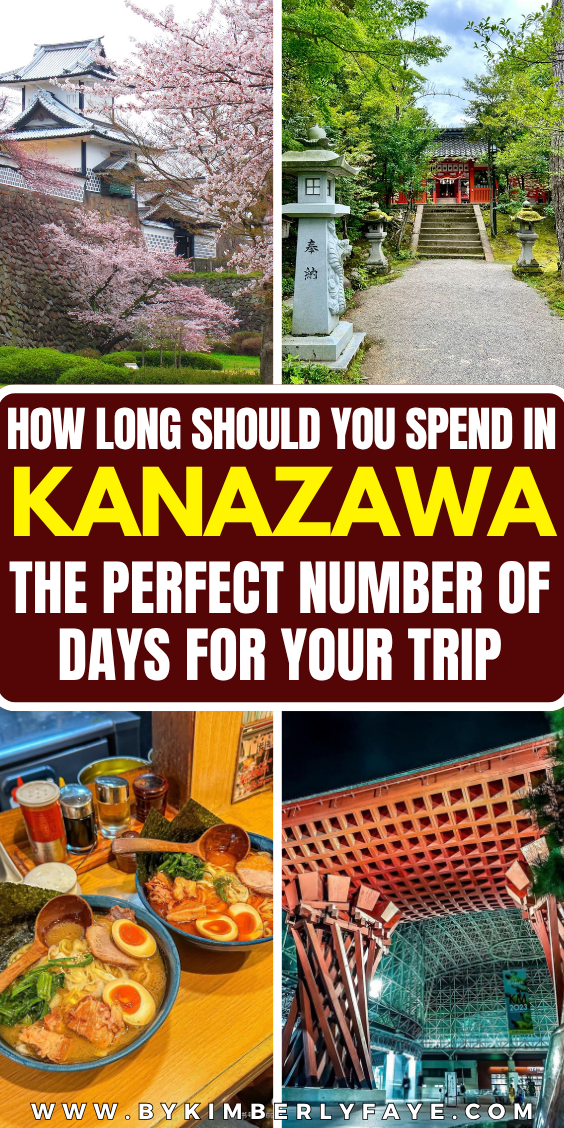
This Post Shows The 15 Amazing Things to Do in Kanazawa That Should Be on Your Itinerary.
When I first added Kanazawa to my Japan itinerary, I honestly thought it would be a quick stop between bigger cities. I figured I’d spend a day wandering a famous garden, eat some fresh seafood, and move on. Instead, Kanazawa became one of the biggest highlights of my entire trip.

What makes this city so special isn’t just the famous landmarks—it’s the atmosphere. One minute you’re walking through centuries-old streets lined with traditional buildings, and the next you’re admiring contemporary art or relaxing in a quiet riverside café. It somehow manages to feel lively and peaceful at the same time.
If you’re searching for the best Things to Do in Kanazawa Japan, this guide covers experiences that will help you discover the city’s history, culture, food, and hidden corners. Whether you’re visiting for a day or spending longer, these are the places I think deserve a spot on your itinerary.
My Favorite Experiences in Kanazawa
If you’re short on time, these are the experiences I’d prioritize:
- Wander through historic neighborhoods
- Visit one of Japan’s finest landscape gardens
- Eat your way around the local food market
- Experience Kanazawa’s gold leaf culture
- Discover the city’s samurai history
- Relax in peaceful museums and gardens
- End the evening exploring traditional streets after dark
This makes a fantastic Kanazawa Itinerary because you’ll experience a little bit of everything—history, food, nature, and local culture.
1. Experience Kanazawa’s Famous Gold Leaf Culture
Before coming to Kanazawa, I had no idea the city produces the vast majority of Japan’s gold leaf. Once I arrived, I started noticing it everywhere—from elegant crafts and chopsticks to desserts covered in shimmering gold.
One of the most fun experiences was visiting local workshops where artisans demonstrated how incredibly thin gold leaf is made. Watching such a delicate craft being practiced by hand gave me a whole new appreciation for the skill involved.
You’ll also find countless boutiques selling handmade souvenirs decorated with gold leaf, making this one of the best places in Japan to buy unique gifts that actually feel local.
Of course, I couldn’t resist trying the famous gold leaf ice cream. It’s definitely more about the experience than the flavor, but it became one of my favorite photos from the trip.
2. Slow Down at the DT Suzuki Museum
This was probably the quietest attraction I visited, yet it ended up being one of the most memorable.
Dedicated to the Buddhist philosopher D.T. Suzuki, the museum isn’t packed with interactive exhibits or flashy displays. Instead, it encourages visitors to slow down and reflect.
The architecture blends beautifully with the surrounding landscape, and the peaceful reflecting pools create an atmosphere unlike anywhere else I visited in Kanazawa.
Even if you’re not familiar with Suzuki’s philosophy, the museum itself is worth visiting simply because it’s such a calming escape from the busier tourist areas.
I found myself sitting outside much longer than expected, simply enjoying the silence.
3. Cruise Along the Asano River
While many visitors head straight for the city’s famous districts, I really enjoyed spending time along the Asano River.
The riverside paths are perfect for a leisurely walk, especially in the morning when the city is still waking up. Small bridges connect both sides of the river, offering beautiful views of traditional buildings and quiet residential streets.
I stopped several times just to watch locals cycling past or enjoying their morning walks. These slower moments ended up becoming some of my favorite memories of Kanazawa.
If you’re looking for a peaceful break between sightseeing, this is a wonderful place to recharge.
4. Browse Local Craft Shops Instead of Souvenir Stores
Rather than filling my suitcase with typical tourist souvenirs, I spent an afternoon exploring Kanazawa’s independent craft shops.
The city has a long tradition of producing beautiful handmade goods, including ceramics, lacquerware, textiles, and glasswork. Many stores allow you to watch artisans at work or explain the history behind each piece.
I ended up bringing home a handmade ceramic cup that reminds me of my trip every time I use it.
It’s a much more meaningful shopping experience than buying mass-produced souvenirs.
5. Visit a Traditional Tea House for Matcha and Wagashi
One of my favorite ways to slow down in Kanazawa was stepping into a traditional tea house for an afternoon break.
Instead of rushing between attractions, I spent nearly an hour enjoying freshly prepared matcha alongside seasonal wagashi sweets while overlooking a quiet Japanese garden.
The experience felt wonderfully authentic without being overly formal, and it gave me a chance to rest my feet before continuing my walk around the city.
Sometimes the best travel memories aren’t the biggest attractions—they’re the simple moments that allow you to appreciate the local culture.
6. Visit the 21st Century Museum of Contemporary Art
Even if you’re not usually someone who visits art museums, I’d still recommend adding this one to your itinerary.
The 21st Century Museum of Contemporary Art isn’t your typical museum filled with paintings hanging on walls. Many of the exhibits are interactive, immersive, and designed to make you think rather than simply admire. I found myself spending much longer here than I originally planned because every gallery offered something unexpected.
The museum itself is just as impressive as the artwork inside. Its circular glass design allows natural light to flood the space, creating a bright and welcoming atmosphere that feels very different from traditional museums.
One of the biggest highlights is the famous swimming pool installation that lets visitors experience the artwork from above and below the water’s surface. It’s one of Kanazawa’s most photographed attractions for good reason.
If you’re interested in combining traditional Japan with modern creativity, this museum offers the perfect contrast.
7. Discover Oyama Shrine
Among all the shrines I visited in Japan, Oyama Shrine immediately stood out because it looked unlike any other.
Instead of the classic wooden entrance gate you’d expect, the shrine features a unique gate influenced by Japanese, Chinese, and European architecture. It’s such an unusual combination that I actually stopped to admire it before even entering the grounds.
Inside, the atmosphere becomes much quieter. Stone pathways wind through peaceful gardens, small ponds reflect the surrounding trees, and visitors take their time exploring the shrine rather than rushing through it.
Although many tourists stop here briefly on their way to Kanazawa Castle, I think it’s worth slowing down and appreciating the details. It’s a wonderful place to escape the crowds for a little while.
The shrine is also beautifully illuminated in the evening, giving it a completely different atmosphere after sunset.
8. Learn About Kanazawa’s Samurai Legacy
Kanazawa’s history is closely connected to the powerful Maeda Clan, and learning about their influence gave me a much deeper appreciation for the city.
Instead of only walking through historic streets, I enjoyed visiting museums and restored residences that explain how samurai families once lived. Seeing original armor, weapons, documents, and beautifully preserved interiors helped bring centuries of history to life.
What I found most interesting was discovering that Kanazawa escaped much of the destruction that affected other Japanese cities, allowing many historical buildings and traditions to survive.
It’s one thing to admire old architecture, but understanding the stories behind it makes exploring the city far more meaningful.
History lovers could easily spend an entire afternoon diving deeper into Kanazawa’s fascinating past.
9. Try a Traditional Japanese Sweet Making Experience
One experience I wish more travelers knew about is joining a wagashi making workshop.
Kanazawa has a long tradition of producing elegant Japanese sweets, and several local shops offer hands-on classes where you can learn how they’re made.
Under the guidance of experienced instructors, you’ll shape colorful seasonal sweets using traditional techniques that have been passed down for generations.
The process is surprisingly relaxing, and you don’t need any previous experience to enjoy it. At the end of the class, you can pair your handmade sweets with freshly prepared matcha tea.
For me, experiences like this create much stronger memories than simply visiting another sightseeing spot.
10. Spend an Evening Exploring Kazuemachi Chaya District
While many visitors crowd the better-known Higashi Chaya District during the day, I actually preferred visiting Kazuemachi in the evening.
This small historic neighborhood sits quietly beside the Asano River and feels incredibly peaceful once the daytime crowds disappear.
Traditional wooden buildings line narrow streets, soft lanterns begin to glow as the sun sets, and the entire district takes on a wonderfully nostalgic atmosphere.
Rather than rushing through with a camera, I recommend simply wandering slowly and enjoying the surroundings. You’ll often hear music drifting from restaurants or notice beautifully preserved teahouses tucked away behind wooden doors.
11. Explore the Myoryuji “Ninja Temple”
One of the most fascinating places I visited in Kanazawa wasn’t actually connected to ninjas at all. Despite its popular nickname, Myoryuji was built as a defensive temple during the Edo period and is filled with clever architectural tricks designed to confuse intruders.
The guided tour takes you through hidden staircases, secret passageways, concealed rooms, and unexpected escape routes that were built to protect the temple. Every few minutes, there seemed to be another surprise, and I was amazed by the creativity behind its design.
Unlike many attractions where you simply walk around on your own, this visit feels much more interactive because a guide explains the history and purpose behind each hidden feature. It made the entire experience far more engaging than I expected.
Since visitor numbers are limited, it’s a good idea to reserve your tour in advance. If you’re looking for something beyond the usual sightseeing spots, this is definitely worth adding to your Kanazawa Travel Guide.
12. Visit the Kanazawa Phonograph Museum
I’ll admit that I wasn’t planning to visit this museum at first, but it ended up being one of the biggest surprises of my trip.
The museum houses an impressive collection of antique phonographs, gramophones, and music players from around the world. Rather than simply displaying them behind glass, the staff regularly demonstrate how many of the historic machines still work today.
Listening to music played on equipment that’s more than a century old gives you a completely different appreciation for the evolution of recorded sound.
The museum isn’t particularly large, so it’s easy to explore in under an hour. It’s a great stop if you’re looking for an indoor activity or simply want to discover something a little different.
Sometimes the smaller attractions turn out to be the most memorable, and this was definitely one of them.
13. Take a Morning Walk Along the Sai River
While many visitors head toward the city’s famous gardens first thing in the morning, I decided to start one day with a peaceful walk along the Sai River.
The riverside paths are quiet, the air feels fresh, and you’ll mostly see locals jogging, cycling, or walking their dogs. It offers a completely different perspective on Kanazawa compared to the busier tourist areas.
I grabbed a coffee from a nearby café and spent nearly an hour strolling along the river without any particular destination. Watching the city slowly come to life became one of my favorite memories of the trip.
If you enjoy photography, the early morning light creates beautiful reflections on the water and makes the riverside especially picturesque.
It’s a simple activity, but sometimes those slower moments become the highlights of a journey.
14. Escape the City on a Day Trip
If you have an extra day, consider exploring beyond Kanazawa.
One of the most popular options is Shirakawago, a UNESCO World Heritage village famous for its traditional farmhouses with steep thatched roofs. Walking through the village feels like stepping into another era, especially during winter when the rooftops are covered in snow.
Another excellent choice is the Noto Peninsula, where you’ll find dramatic coastal scenery, charming fishing villages, and scenic driving routes that showcase a quieter side of Japan.
Adding a short excursion outside the city is a great way of Planning A Weekend In Kanazawa while experiencing even more of the Ishikawa region.
Even if your schedule only allows for half a day, the surrounding countryside is well worth exploring.
15. Enjoy Kanazawa’s Café Culture
One thing I didn’t expect before visiting was how many wonderful independent cafés Kanazawa has.
Instead of only focusing on sightseeing, I started setting aside time each afternoon to relax with a coffee before heading to my next attraction. It became one of my favorite daily routines.
Many cafés are housed inside beautifully restored traditional buildings, combining historic architecture with modern interiors. Others overlook quiet gardens or hidden courtyards, creating peaceful places to escape for an hour.
Some serve specialty coffee roasted locally, while others are known for handmade desserts featuring seasonal ingredients from the region.
If you’re interested in slower travel, spending time in Kanazawa’s cafés is one of the best ways to experience the city’s relaxed atmosphere.
Kanazawa First-Timer’s Quick Checklist
Before You Go
ESSENTIALS — Carry your passport, an ICOCA or other IC transit card, a portable charger, comfortable walking shoes, and enough cash for small shops and local eateries.
WHERE TO STAY — Choose a hotel near Kanazawa Castle Park, Omicho Market, or Kanazawa Station for easy access to the city’s main attractions.
GETTING AROUND — Most of the city can be explored on foot, but local buses are convenient for longer distances. Google Maps makes navigating simple.
FOOD TO TRY — Fresh sushi, seafood rice bowls, Kanazawa curry, gold leaf desserts, wagashi, and local sake are all worth sampling.
DON’T MISS — Kenrokuen Garden, Kanazawa Castle, Omicho Market, the Higashi and Kazuemachi Chaya districts, Oyama Shrine, and the 21st Century Museum of Contemporary Art.
PACK SMART — Bring comfortable footwear, lightweight clothing, a reusable water bottle, sunscreen, a compact umbrella, and a small backpack for day trips.
BEST TIME TO START — Begin sightseeing around 8:30 AM to enjoy popular attractions before they become crowded.
EXTRA TIP — Leave time for spontaneous discoveries. Some of Kanazawa’s best cafés, artisan stores, and quiet streets aren’t listed in guidebooks.
FAQs
Is two days enough for Kanazawa?
Yes. Two days gives you enough time to see the city’s major attractions while still enjoying its relaxed pace. If you have an extra day, consider taking a trip to nearby Shirakawago or the Noto Peninsula.
What’s the best way to get around Kanazawa?
Walking is the easiest way to explore the city center. For longer distances, local buses are affordable and easy to use with an IC card.
Is Kanazawa worth visiting?
Absolutely. Kanazawa combines historic districts, beautiful gardens, excellent museums, and outstanding local cuisine, all without the overwhelming crowds found in some of Japan’s larger tourist destinations.
When should I visit Kanazawa?
Spring and autumn are the most popular seasons thanks to cherry blossoms and colorful foliage, but Kanazawa offers something unique throughout the year.
Is Kanazawa expensive?
Compared to cities like Tokyo and Kyoto, Kanazawa generally offers excellent value on accommodations, dining, and attractions.
Final Thoughts
Kanazawa is one of those destinations that quietly exceeds expectations. It may not have the size or fame of Japan’s biggest cities, but that’s exactly what makes it so rewarding to visit. Every neighborhood has its own character, every street seems to reveal another hidden gem, and the slower pace gives you the chance to truly appreciate your surroundings.
Whether you’re exploring historic districts, sampling incredible seafood, relaxing in traditional gardens, or discovering unique museums, you’ll quickly understand why so many travelers fall in love with this city. If you’re looking for a destination that blends culture, history, food, and authentic local experiences, Kanazawa deserves a place at the top of your travel list. I hope this guide helps you create the perfect itinerary and inspires an unforgettable adventure in one of Japan’s most captivating cities.





One Comment
Comments are closed.