London Travel Guide for First-Time Visitors: Everything You Need to Know
This site contains affiliate links. I may earn a small commission, at no extra cost to you.
London is the kind of city where every day can feel completely different. One moment you’re standing beside a centuries-old palace, and the next you’re wandering through a colorful market, browsing independent shops, watching a West End show, or relaxing beside the River Thames. With famous landmarks, historic neighborhoods, museums, parks, restaurants, and endless little discoveries, it can be exciting but also slightly overwhelming for a first-time visitor.
This London travel guide is designed to make your first visit easier and more enjoyable. Instead of trying to see everything at once, you’ll find practical ideas for planning your days, choosing places to go in London, deciding what to pack, finding memorable activities, and creating a trip that feels like your own.
Quick London Travel Tips for First-Time Visitors
- PLAN BY AREA: London is huge, so organize your sightseeing around nearby attractions and neighborhoods rather than constantly crossing the city.
- BOOK POPULAR EXPERIENCES: Major attractions, theatre shows, and special experiences can be busy, so reserve important activities ahead when possible.
- USE PUBLIC TRANSPORT: The Tube, buses, trains, and river services make it easy to move around the city, while many central areas are also enjoyable to explore on foot.
- CHECK THE WEATHER: London weather can change quickly, so layers and a small rain jacket or umbrella are useful additions to your day bag.
- LEAVE FREE TIME: Don’t fill every hour with attractions. Some of your favorite memories may come from wandering through a neighborhood or stopping at a café.
- MIX FAMOUS AND LOCAL: Combine major landmarks with markets, parks, independent shops, and quieter streets to experience different sides of London.
Start With London’s Most Famous Landmarks
For a first visit, it makes sense to see some of the landmarks you’ve probably seen in photographs for years. Buckingham Palace, Big Ben, Westminster Abbey, Tower Bridge, the Tower of London, and the London Eye can all provide that classic first impression of the city.
You don’t have to visit every attraction from the inside. Some landmarks are just as enjoyable to admire from outside while walking through the surrounding area. Give yourself time to take photographs and enjoy the atmosphere rather than rushing from one landmark to another.
Explore London by Neighborhood
One of the easiest ways to approach London trip planning is to think about neighborhoods instead of individual attractions. You could spend a morning around Westminster, an afternoon exploring Covent Garden and Soho, and another day discovering Notting Hill or Camden.
Each area has its own personality, architecture, restaurants, shops, and sights. This approach also cuts down on unnecessary journeys and gives you more time to enjoy the places you’re visiting.
Take a Walk Along the River Thames
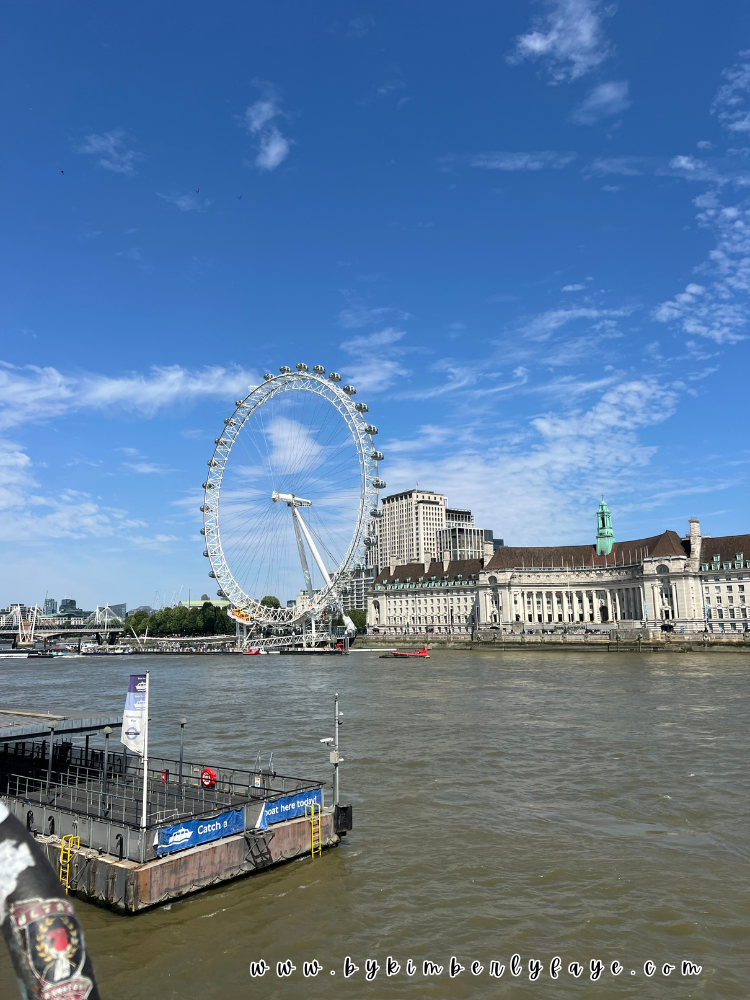
The Thames is one of the best ways to experience London because so many major landmarks sit along or near the river. A riverside walk can take you past the London Eye, Tate Modern, St Paul’s Cathedral, Tower Bridge, and other recognizable parts of the skyline.
Go during the afternoon for sightseeing or return around sunset when the city begins to light up. If you want a different perspective, consider taking a river cruise rather than seeing the Thames only from the shore.
Spend Time in Covent Garden
Covent Garden is an easy place to add to your first London itinerary because it combines shopping, restaurants, historic architecture, entertainment, and street performances. The area has plenty to explore without needing a strict schedule.
Walk around the market, browse the surrounding streets, and stop for coffee or lunch when you find somewhere that looks interesting. It is also a convenient area to combine with nearby attractions and a West End evening.
Discover London’s Free Museums
A trip to London doesn’t have to mean paying an entrance fee for every activity. The city has world-class museums and galleries where you can spend several hours exploring art, history, science, and culture.
Choose one or two that genuinely interest you rather than trying to visit several museums in one day. This is especially useful if the weather is rainy and you’re looking for a comfortable indoor activity.
Find Your Own London Aesthetic
Part of the fun of visiting London is finding the streets and places that match your personal London travel aesthetic. Think colorful Notting Hill houses, elegant Georgian streets, red buses, flower-filled cafés, historic pubs, bookshops, bridges, and beautiful parks.
Bring your camera or phone and allow yourself to photograph the details around you. Often, the most memorable pictures come from ordinary streets rather than the city’s biggest attractions.
Make Time for a London Market
Markets are an excellent way to experience the city’s food, creativity, and neighborhood culture. Borough Market is ideal for food lovers, while Camden Market offers a more eclectic atmosphere with food stalls, fashion, gifts, and independent sellers.
You don’t need to spend an entire day shopping. Even a couple of hours exploring a market can give you a fun break from traditional sightseeing.
See a West End Show
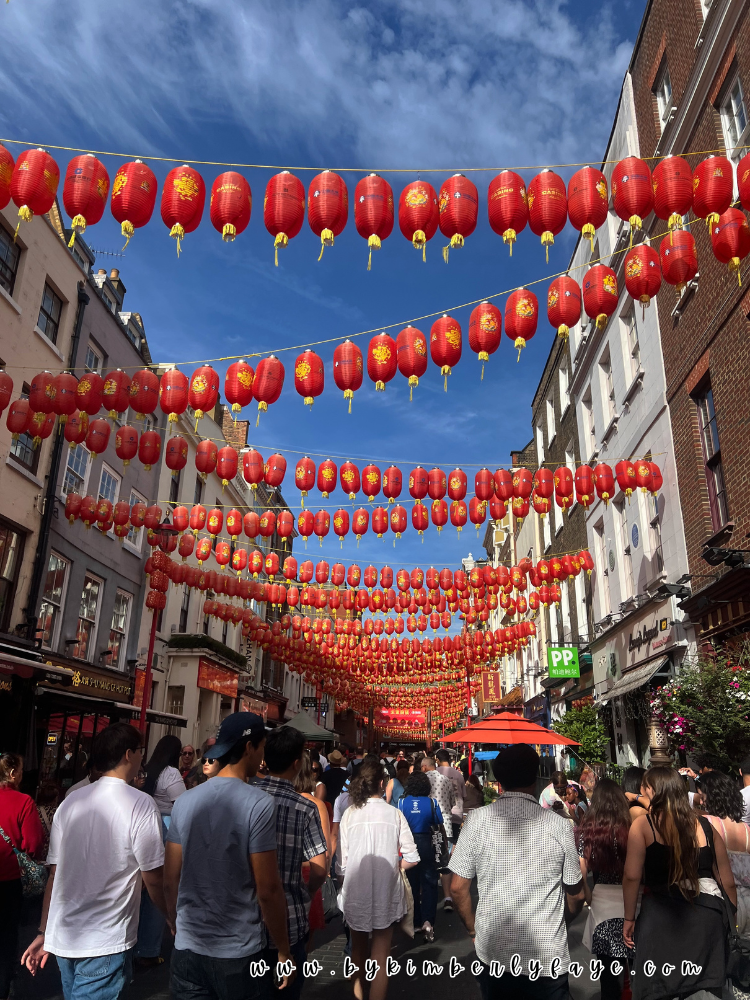
Seeing a musical or theatre performance is one of the classic London activities worth adding to a first visit. London’s West End offers a wide range of productions, from long-running favorites to newer shows.
Book ahead if there is a particular performance you really want to see. Make an evening of it by exploring the surrounding streets and having dinner before or after the show.
Explore London’s Royal Side
London’s royal history is impossible to miss, and visiting one of its palaces or royal landmarks can add something special to your trip. Buckingham Palace is an obvious starting point, but you can also explore areas around St James’s and other historic royal locations.
You don’t need to spend an entire day focusing on royal history. Combine a palace or landmark with a walk through nearby parks, squares, and shopping streets for a more varied experience.
Try a Classic Afternoon Tea
Afternoon tea is one of those traditional experiences that can make a London vacation feel especially memorable. Enjoying tea with sandwiches, scones, and small cakes offers a slower experience after a busy morning of sightseeing.
You can choose between elegant hotel settings and more casual tea experiences depending on your budget. Just remember that afternoon tea can take some time, so don’t squeeze it between two tightly scheduled attractions.
Explore London After Dark
London has a completely different personality once the sun goes down. Streets, bridges, historic buildings, restaurants, theatres, and landmarks begin to glow, creating beautiful opportunities for an evening walk.
Visit an illuminated area such as the South Bank or walk through central neighborhoods after dinner. If you prefer something more energetic, combine your evening with a West End show, live music, or a late-night food stop.
Add Something Unexpected to Your Itinerary
Once you’ve covered the major attractions, add one experience simply because it sounds interesting. This could be a themed walking tour, a hidden historical site, a bookshop, a small gallery, a food tour, or another unusual experience.
These unique things to do in London can make your trip feel more personal. You don’t need to follow a standard tourist checklist from beginning to end; choose something that genuinely matches your interests.
Leave Time to Simply Wander
One of the best pieces of advice for a first visit is to leave some space in your schedule. London has so many neighborhoods, streets, cafés, shops, parks, and small attractions that you will almost certainly find something interesting while walking between planned stops.
Don’t feel guilty about skipping an attraction because you discovered somewhere else you would rather explore. Sometimes the unplanned moments become the highlights of a trip.
What to Wear in London
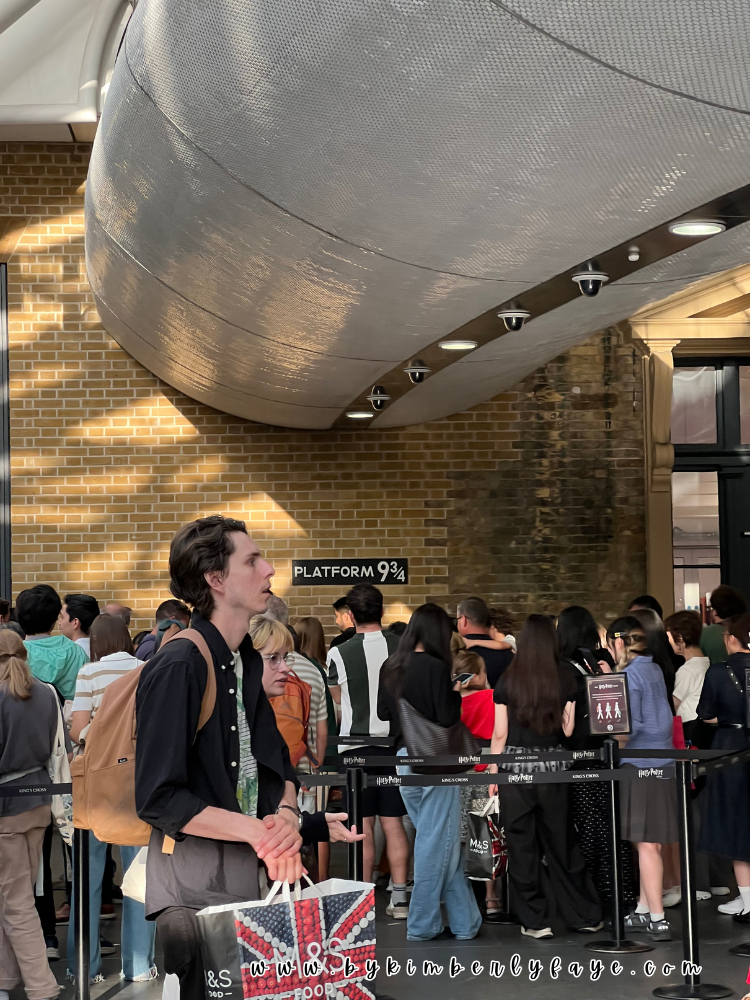
Planning a London travel outfit is mostly about comfort and layers. A simple combination of comfortable trousers or jeans, a top, sweater, lightweight jacket, and walking shoes can work for most sightseeing days. You can then change one or two pieces for dinner, afternoon tea, or an evening show.
Don’t worry too much about looking perfectly dressed every day. London has a relaxed but stylish atmosphere, so practical clothing with a few accessories can easily create a polished travel look.
Getting Around London
London’s public transport network makes it relatively easy to move between different parts of the city. The Tube is useful for longer journeys, while buses can be a more scenic way to travel through central areas. Walking is also worth considering because some nearby Tube stations are surprisingly close together.
For paying for transport, visitors can use options such as Oyster cards, while the Visitor Oyster card works across the Tube, buses, tram, DLR, London Overground, Elizabeth line, River Bus, and most National Rail services in London. Check the latest TfL guidance before your trip so you choose the payment option that works best for you.
Where to Stay in London
For a first visit, staying centrally can make sightseeing much easier because you’ll spend less time traveling between your accommodation and the main attractions. Areas such as Covent Garden, Soho, Westminster, South Bank, and Kensington can be convenient choices, depending on your budget and the atmosphere you prefer. Central London can be expensive, but staying near a good Tube connection can also work well if you want more accommodation choices.
For a luxury stay, consider properties such as The Savoy, The Langham London, or The Ritz London for a classic and elegant experience. If you prefer a stylish boutique atmosphere, The Resident Covent Garden is worth considering, while The Hoxton, Shoreditch offers a more relaxed and modern feel. For a more budget-conscious trip, look at well-connected hotels and guesthouses slightly farther from the center rather than choosing accommodation solely by price.
London Packing List for First-Time Visitors
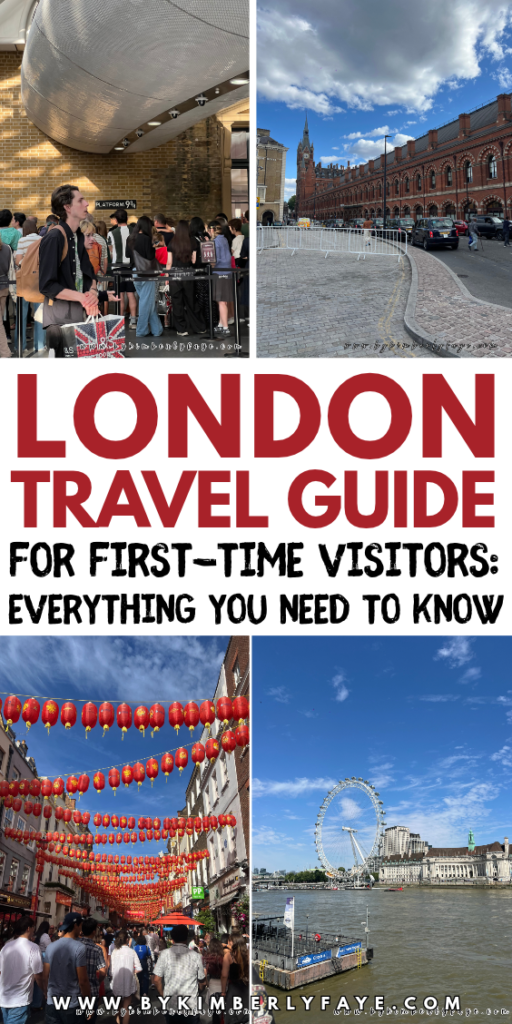
COMFORTABLE SHOES: Bring shoes that you can comfortably wear for several hours because sightseeing in London often involves more walking than expected. You may spend the day moving between train stations, museums, markets, parks, and historic streets, so comfort should be a priority. A pair of supportive trainers or walking shoes can make a big difference during long days of exploring.
LIGHT LAYERS: London weather can change throughout the day, so pack clothing that is easy to add or remove. A simple combination of T-shirts, shirts, sweaters, and a light jacket gives you flexibility without making your suitcase too heavy. Layers are especially useful when moving between cool outdoor streets and warmer shops, restaurants, or museums.
RAIN JACKET: A lightweight waterproof jacket is often more practical than carrying a large umbrella around all day. A sudden shower can happen while you are sightseeing, so having something waterproof within easy reach can keep you comfortable. Choose a jacket that is easy to fold and pack into your day bag when the weather improves.
CROSSBODY BAG: Choose a comfortable crossbody bag with enough space for your phone, wallet, travel cards, tickets, sunglasses, and other daily essentials. A smaller bag can be easier to carry while walking through busy streets, markets, and public transport stations. Look for one with secure zippers so your belongings stay protected while you are exploring.
POWER BANK: Your phone may be working constantly for maps, tickets, directions, photographs, restaurant searches, and travel information. After several hours of sightseeing, your battery can disappear much faster than expected. A compact power bank can help you stay connected without having to search for a charging point during the day.
WATER BOTTLE: A reusable water bottle is useful when you’re spending a full day exploring different parts of the city. Keeping water with you can save time when you are moving between attractions and walking through parks or neighborhoods. Choose a lightweight bottle that fits easily inside your bag and is convenient to carry.
SUNGLASSES: Even in a city known for cloudy weather, bright days can happen, especially during spring and summer. Sunglasses are useful when walking along the Thames, spending time in London’s parks, or sightseeing in open areas. They are also a small accessory that can easily fit into your bag when you do not need them.
TRAVEL ADAPTER: If you’re visiting the UK from another country, remember to bring a suitable UK power adapter for your devices. You will likely need to charge your phone, camera, power bank, and other electronics during your trip. Packing an adapter before leaving home means you can start using your devices as soon as you arrive.
FAQs
How many days do you need in London for the first time?
Three to five days is a useful starting point for a first visit, giving you time for major attractions as well as neighborhoods, food, shopping, and entertainment.
What are the best places to go in London?
For a first visit, consider Westminster, Covent Garden, Soho, South Bank, Notting Hill, Camden, Greenwich, and areas around the Tower of London. Each offers a different atmosphere and type of experience.
What are some unique things to do in London?
Try an unusual walking tour, explore an underground or historic attraction, visit a lesser-known gallery, discover an independent market, or take a river journey. Adding one unexpected activity can make your itinerary feel more personal.
Is London easy to explore without a car?
Yes. London has an extensive public transport network, including the Underground, buses, trains, river services, and walking routes. Many central neighborhoods are also enjoyable to explore on foot.
What should I pack for a London trip?
Comfortable walking shoes, layers, a lightweight waterproof jacket, crossbody bag, portable charger, reusable water bottle, sunglasses, and a UK travel adapter are useful starting points.
What should I put on my London bucket list?
Include a few iconic landmarks, a Thames walk or cruise, a museum, a market, a West End show, afternoon tea, a beautiful neighborhood walk, and at least one experience that is completely outside the standard tourist route.