Rome Travel Tips: Things I Wish I Knew Before Visiting
This site contains affiliate links. I may earn a small commission, at no extra cost to you.
Rome is one of those cities that looks beautiful in photographs but feels completely different once you understand how it works, choose your priorities, and leave room for unexpected discoveries.
If you’re planning your first trip, these Rome travel tips can help you avoid small mistakes that can make a vacation unnecessarily stressful. From planning attraction times and understanding the city’s layout to choosing where to eat and knowing when to leave your schedule open, a little preparation can make your days much smoother. Think of this as the practical Rome travel guide I wish I had before visiting for the first time.
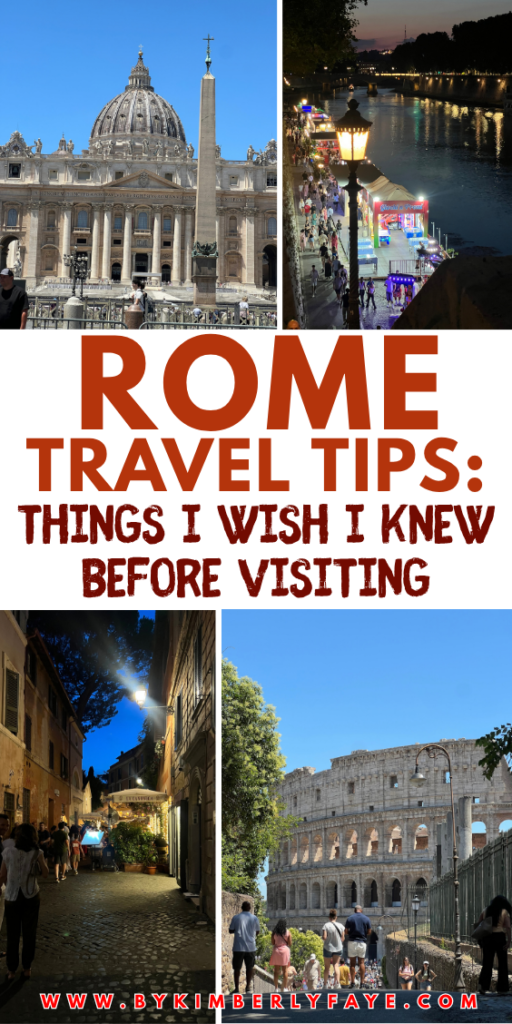
Don’t Try to See Everything in One Day
One of the easiest mistakes to make in Rome is treating the city like a checklist. There are so many museums, ruins, churches, piazzas, viewpoints, and neighborhoods that it is impossible to experience everything properly during a short visit.
Instead of measuring your day by the number of attractions you manage to see, choose a few experiences that genuinely interest you. You might spend one day focused on ancient history, another around Vatican City, and another enjoying neighborhoods, markets, and local restaurants. A slightly slower itinerary usually leaves you with better memories than spending the entire day watching the clock.
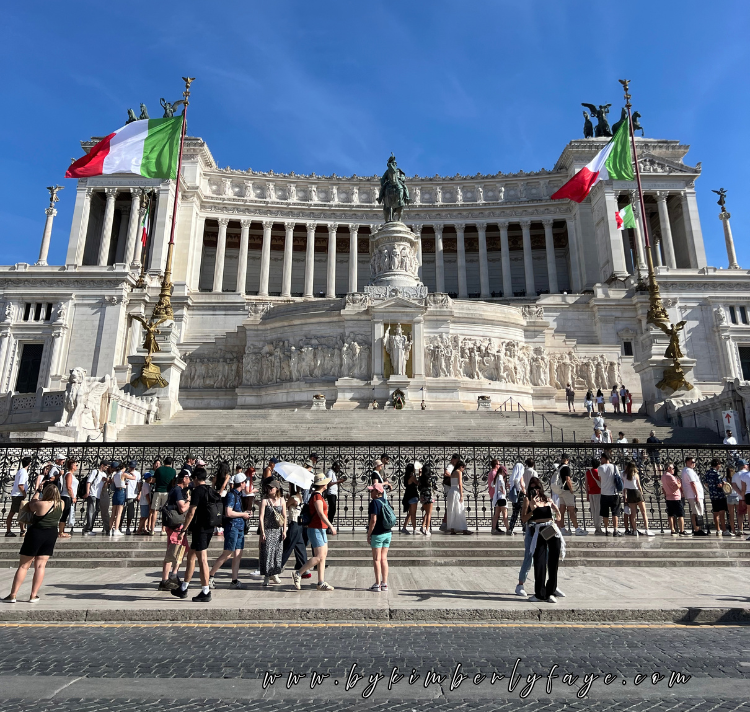
Comfortable Shoes Are More Important Than Stylish Ones
Rome may inspire beautiful Rome travel outfits, but your footwear needs to be chosen with practicality in mind. Historic streets, stone surfaces, stairs, and long sightseeing routes can make an ordinary day much more demanding than expected.
A supportive pair of sneakers or walking shoes should be one of the first things you pack. You can always bring a nicer pair for dinner or an evening occasion, but uncomfortable shoes can quickly turn an otherwise enjoyable day into an exhausting one.
Group Attractions by Location
Rome becomes much easier to navigate when you stop thinking about individual landmarks and start thinking about areas. Before each day, look at a map and identify attractions that are relatively close together.
This approach can also make your trip feel more interesting because you aren’t constantly focused on reaching one specific destination. You can stop for coffee, browse a small shop, enter an unexpected church, or pause in a piazza without worrying about losing too much time.
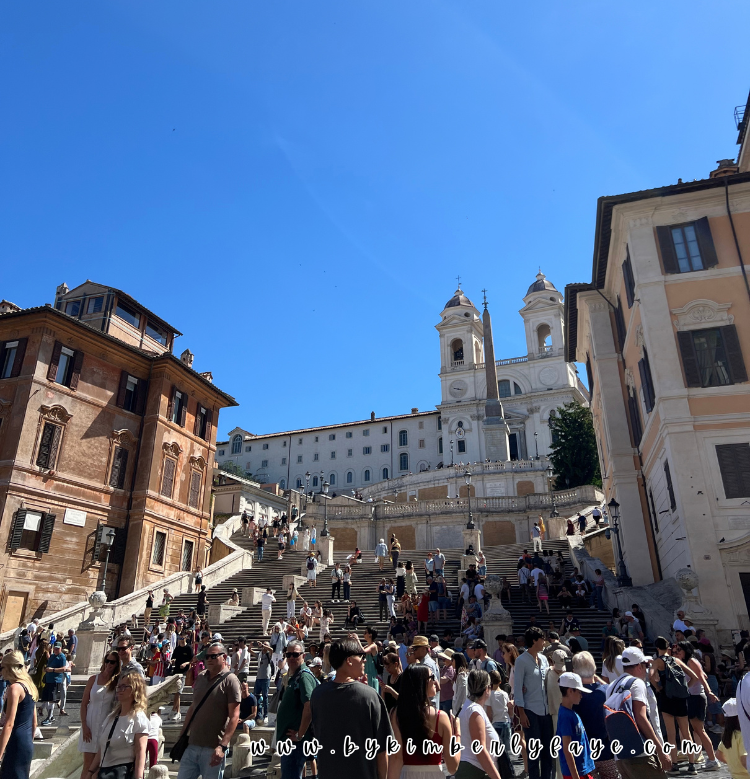
Don’t Skip the Smaller Streets
The most recognizable landmarks are only one part of the Roman experience. Some of the most atmospheric places in Rome to visit can be found away from the major tourist routes, where you can see quieter streets, old façades, neighborhood cafés, artisan stores, and everyday city life.
Give yourself at least a few hours during your trip with no specific landmark as the destination. Choose a neighborhood, put the map away occasionally, and see what catches your attention. These unplanned walks can reveal a side of Rome that a traditional sightseeing itinerary often misses.
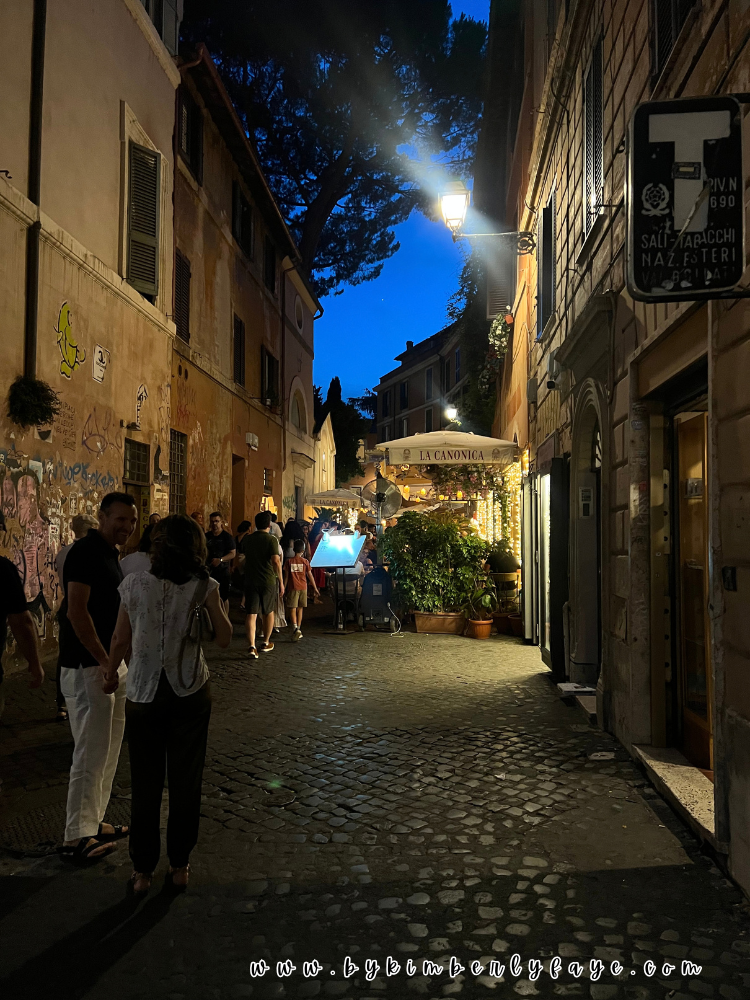
Treat Famous Landmarks as Experiences, Not Just Photo Stops
It’s easy to arrive at a famous attraction, take a few pictures, and immediately move on to the next location. A better approach is to think about why the place is important and give yourself enough time to appreciate the architecture, history, and surrounding atmosphere.
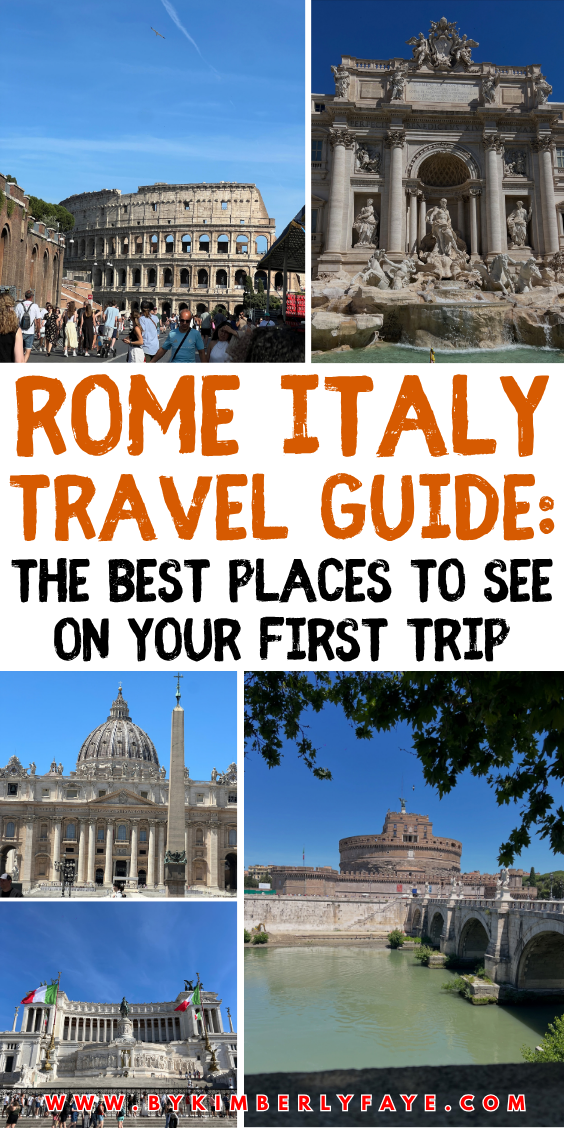
This is particularly useful at places such as the Colosseum, Pantheon, and Trevi Fountain. Instead of trying to collect as many photographs as possible, pause and look around. You may notice architectural details, surrounding streets, or viewpoints that you would have missed while rushing.
Plan Vatican City as Its Own Experience
Vatican City deserves more planning than simply adding it between two unrelated attractions. The Vatican Museums alone can require considerable time, and combining them with other major sightseeing stops can leave your day feeling overloaded.
Think about what you actually want to see before arriving. If museums and religious art are important to you, allow plenty of time rather than trying to rush through the collections. Appropriate clothing is also worth considering if your itinerary includes religious sites.
Make Your Romantic Plans Simple
Couples often feel pressure to create a perfect romantic itinerary, but some of the most memorable experiences require very little planning. One of my favorite romantic Rome travel tips is to choose one beautiful setting and allow the rest of the evening to unfold naturally.
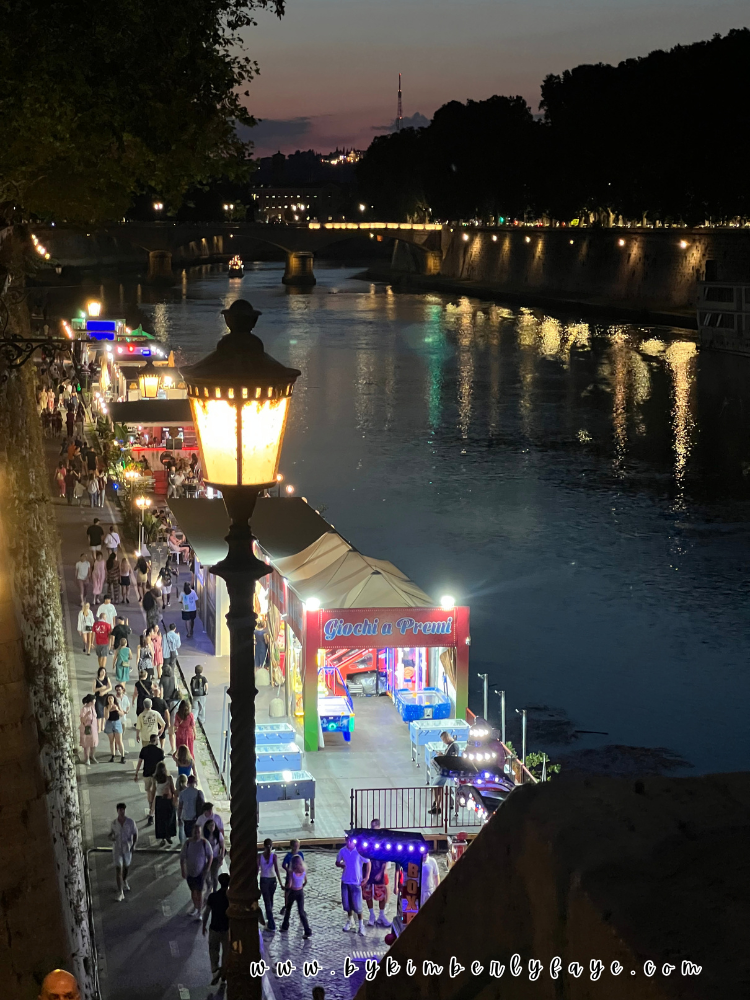
Have dinner somewhere intimate, share gelato afterward, watch the city from a viewpoint, or take a slow walk beside the Tiber. You don’t need several expensive reservations or a packed schedule to create a special evening together.
Pack for Convenience Rather Than Carrying Everything
A small day bag is much more practical than carrying everything you brought on your trip. Keep only the essentials with you, such as your phone, wallet, water, portable charger, sunglasses, sunscreen, and anything else you genuinely need during the day.
Before leaving your accommodation each morning, think about your actual plans. If you’re spending several hours outdoors, prepare accordingly; if you’re mainly visiting museums and cafés, you may need much less. Packing according to the day’s itinerary keeps you more comfortable.
First-Time Rome Travel Checklist
PLANNING: Choose the attractions and experiences that matter most to you before arriving. Group nearby sights together so you can spend less time traveling across the city and more time exploring.
TICKETS: Check whether your must-see attractions require reservations or timed entry. Save your booking confirmations on your phone so they are easy to access during the trip.
FOOD: Leave enough time for proper meals instead of squeezing food between attractions. Try classic Roman dishes, local cafés, bakeries, gelato, and smaller neighborhood restaurants.
CLOTHING: Pack comfortable outfits that work for walking and sightseeing, along with a few nicer options for evenings. Lightweight layers are useful because temperatures can change throughout the day.
RELIGIOUS SITES: Bring at least one outfit or layer suitable for visiting churches and Vatican City. Having shoulders and knees covered can make it easier to enter religious sites without needing to change plans.
DAY BAG: A small crossbody bag or compact backpack is ideal for carrying your daily essentials. Keep it light with only items such as your phone, wallet, water, sunglasses, and portable charger.
ESSENTIAL ACCESSORIES: A portable power bank, reusable water bottle, sunglasses, sunscreen, and foldable umbrella can be especially useful during long sightseeing days. A secure crossbody bag is another practical choice for keeping your essentials organized while exploring busy areas.
TRAVEL TECH: Download maps and save important reservations before heading out for the day. A universal travel adapter can also be useful if you’re bringing several electronic devices.
EVENINGS: Don’t schedule every evening with activities or reservations. Leave some free time for dinner, gelato, evening walks, and discovering beautiful piazzas after sunset.
FLEXIBILITY: Be willing to change your plans when you discover somewhere interesting or simply need more time to relax. Some of the best travel moments happen when you leave a little room for spontaneity.
What I Would Do Differently on My Next Trip
If I were planning another visit to Rome, I would spend less time trying to make every day look perfectly organized on paper. I’d choose the experiences that mattered most to me, group them by area, and leave more open space around them instead of constantly moving toward the next attraction.
I would also make a deliberate effort to experience different sides of the city. A trip shouldn’t consist entirely of famous landmarks; it should include good meals, quiet streets, unexpected discoveries, relaxed evenings, and time simply enjoying where you are.
FAQs
How many days do you need in Rome?
Three to four days can provide a good introduction to the city, allowing you to experience several major attractions without making every day completely packed. Longer stays give you more opportunity to explore neighborhoods and take day trips.
What should I know before visiting Rome for the first time?
Expect more walking than you may initially anticipate, allow extra time between activities, and don’t make your itinerary too rigid. Planning your major attractions while keeping some free time can create a much smoother trip.
What is a must-do in Rome for first-time visitors?
Major historical attractions such as the Colosseum, Roman Forum, Pantheon, and Trevi Fountain are popular choices, but exploring a local neighborhood and enjoying traditional Roman food can be just as important to the overall experience.
What are some places in Rome to visit at night?
The historic center, major piazzas, illuminated fountains, and neighborhoods such as Trastevere can be enjoyable after dark. Evening walks are also a simple way to experience the city without adding another formal attraction to your itinerary.
Is Rome good for a romantic trip?
Rome can work particularly well for couples because many enjoyable experiences are naturally suited to two people, from long dinners and evening walks to viewpoints, cafés, and gelato stops. Keeping the schedule relaxed can make these moments feel more special.



3 Comments
Comments are closed.