How Long Should You Spend in Kanazawa? The Perfect Number of Days for Your Trip
This site contains affiliate links. I may earn a small commission, at no extra cost to you.
When I first started planning my visit to Kanazawa, Japan, I kept asking myself one question: How many days do I really need? Some travel blogs suggested a quick day trip, while others recommended staying for nearly a week. After experiencing the city for myself, I realized the answer depends entirely on how you like to travel.
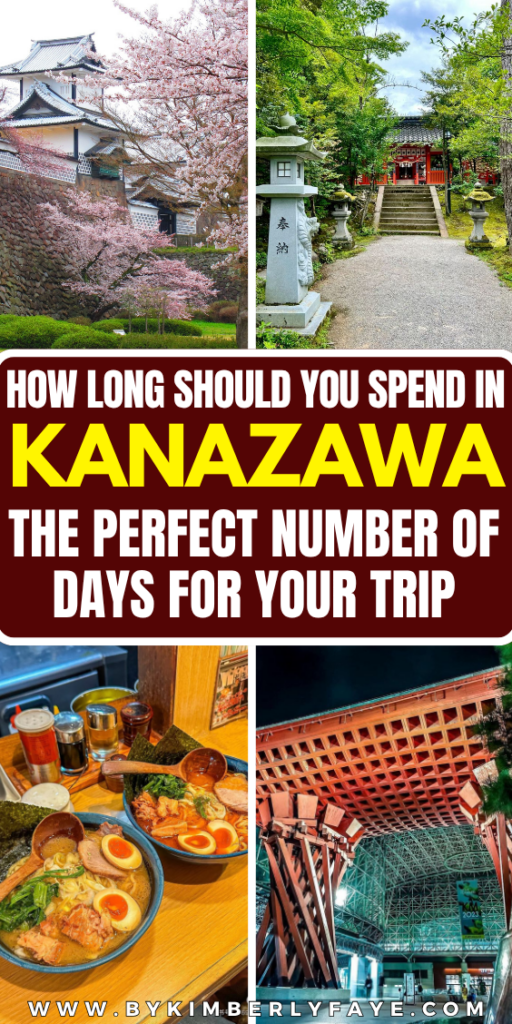
Kanazawa isn’t the kind of destination where you need to rush from one attraction to another. Instead, it’s a place that rewards slow travel. Between beautifully preserved historic districts, peaceful gardens, excellent museums, incredible seafood, and charming cafés, there’s plenty to fill your days without ever feeling overwhelmed.
If you’re looking for a Kanazawa travel guide for your Japan adventure, I’d recommend giving the city more time than you initially think. It’s compact enough to explore comfortably, yet there’s enough variety that every day feels different.
In this guide, I’ll break down exactly how many days I think you should spend in Kanazawa, who each itinerary is best suited for, and how to make the most of your visit.
My Quick Answer
If you’re wondering how long to stay, here’s my recommendation:
- 1 Day – Great if you’re short on time and only want to see the highlights.
- 2 Days – The perfect amount of time for most first-time visitors.
- 3 Days – Ideal if you enjoy museums, local food, and exploring at a slower pace.
- 4+ Days – Best for travelers planning day trips or wanting a deeper cultural experience.
Personally, I’d choose two full days every time. It gives you enough time to experience the city’s major attractions without feeling like you’re constantly racing from place to place.
Is One Day in Kanazawa Enough?
If your schedule is tight, don’t skip Kanazawa just because you only have one day.
While you won’t be able to see everything, you can still experience many of the city’s highlights. Since the historic center is fairly compact, it’s surprisingly easy to visit several major attractions without spending hours on public transportation.
I would begin the morning exploring one of Kanazawa’s most famous gardens before heading to the nearby castle grounds. After lunch, I’d spend time wandering through one of the historic districts, stopping occasionally at cafés or local craft shops instead of trying to fit in every museum.
The biggest advantage of a one-day visit is that you’ll leave wanting more. Rather than feeling exhausted, you’ll get a wonderful introduction to the city and a reason to return.
If you’re visiting several Japan travel destinations during one trip, adding a single day in Kanazawa is still well worth it.
Why Two Days Is the Sweet Spot
If someone asked me for one recommendation, I’d always suggest spending two full days in Kanazawa.
Two days gives you enough flexibility to enjoy the city without constantly watching the clock. You can visit the major attractions, try several local restaurants, spend time browsing independent shops, and still leave room for unexpected discoveries.
One of the things I appreciated most about Kanazawa was how enjoyable it was to wander. Some of my favorite memories weren’t famous landmarks; they were quiet side streets, hidden cafés, and peaceful riverside walks that I discovered by accident.
With two days, you don’t need to rush through every attraction. Instead, you can take breaks, enjoy long lunches, and appreciate the city’s slower pace.
For most travelers, this is the perfect balance between sightseeing and relaxation.
Spend Three Days if You Love Slow Travel
If you’re anything like me, three days in Kanazawa feels like a luxury.
An extra day allows you to explore beyond the city’s biggest attractions. Instead of following a strict sightseeing schedule, you can spend time visiting smaller museums, joining a cultural workshop, relaxing in traditional cafés, or exploring neighborhoods that many visitors overlook.
This is also a great opportunity to experience local culture in a more meaningful way. You might decide to attend a tea ceremony, browse artisan studios, or even learn Japanese words that you’ll use throughout the rest of your journey. Simple greetings and polite expressions often make interactions with local shop owners even more enjoyable.
Three days also means you won’t feel disappointed if the weather changes. If one afternoon is rainy, you can adjust your plans instead of worrying about missing everything.
For travelers who enjoy taking things slowly, three days offers a much richer experience than a rushed overnight visit.
Four Days or More: Is It Worth It?
If your itinerary allows, spending four or more days in Kanazawa opens up even more possibilities.
Not only can you experience the city at a relaxed pace, but you’ll also have time to explore nearby destinations without changing hotels. Traditional villages, coastal landscapes, and mountain scenery are all within easy reach, making Kanazawa an excellent base for regional adventures.
Longer stays also give you the freedom to revisit your favorite places. One of the things I enjoy most when traveling is returning to a neighborhood at different times of day. A busy market in the morning feels completely different from a quiet evening stroll through the same streets.
If Kanazawa is one of the main stops on your Japan bucket list, spending a few extra days is something you probably won’t regret.
Common Mistakes First-Time Visitors Make
Trying to See Everything in One Day
Kanazawa isn’t a city that needs to be rushed.
Trying to squeeze every attraction into a single itinerary usually means spending more time watching the clock than enjoying the experience.
Instead, focus on a handful of places each day and allow yourself time to explore naturally.
Skipping Local Food
Many travelers visit the famous attractions but miss one of Kanazawa’s biggest highlights—its incredible food.
Fresh seafood, traditional sweets, local cafés, and regional specialties all deserve space in your itinerary.
Sometimes your favorite travel memory isn’t a landmark but an unforgettable meal.
Not Doing Enough Travel Preparation
A little planning goes a long way.
Simple travel preparation like booking accommodation early, checking attraction opening hours, and saving offline maps can make your trip much smoother.
Having a flexible plan also leaves room for unexpected discoveries without feeling disorganized.
Ignoring Smaller Attractions
Some of my favorite memories came from places that weren’t listed among the city’s top sights.
Quiet temples, riverside walks, independent bookstores, and neighborhood cafés all helped me appreciate Kanazawa beyond its famous landmarks.
Don’t be afraid to wander away from the busiest tourist areas.
Planning Before You Go
If you’re visiting Japan for the first time, spending a little time preparing beforehand can make your trip much more enjoyable.
A simple packing list with comfortable shoes, weather-appropriate clothing, a portable charger, first-aid box, reusable water bottle, travel adapter, and lightweight daypack is usually all you’ll need for exploring Kanazawa.
It’s also worth downloading offline maps and learning a few useful phrases before your trip. Even basic greetings make everyday interactions more enjoyable and can add another layer to your Japanese language learning journey.
Many travelers spend months researching vacation spots, European cities, or tropical islands, yet Kanazawa often flies under the radar. After visiting, I honestly think it deserves far more attention as one of Japan’s most rewarding destinations.
First-Time Kanazawa Trip Checklist
Before You Go
ESSENTIALS: Bring your passport, an IC card for convenient public transportation, a portable charger, comfortable walking shoes, and some Japanese yen for smaller shops and restaurants. Keeping a reusable water bottle and a lightweight rain jacket in your daypack is also a smart idea.
WHERE TO STAY: For the easiest sightseeing experience, choose accommodation close to Kanazawa’s city center. Staying near the castle area or Omicho Market allows you to reach many attractions on foot, while hotels near Kanazawa Station are ideal if you’re continuing your journey to other cities.
GETTING AROUND: One of the best things about Kanazawa is how compact it is. Most attractions are within walking distance, and local buses are available whenever you want to save time. Downloading Google Maps before you arrive makes navigating the city incredibly simple.
LOCAL EXPERIENCES: Don’t just focus on famous landmarks. Visit a neighborhood café, browse local craft stores, try regional sweets, and spend time walking through quieter residential streets. These slower moments often become the most memorable part of the trip.
DON’T MISS: If it’s your first visit, be sure your itinerary includes Kenrokuen Garden, Kanazawa Castle Park, Omicho Market, one historic district, a museum, and at least one traditional Japanese café.
PACK SMART: Comfortable footwear is essential because you’ll spend a lot of time exploring on foot. Bring clothing suitable for the season, sunscreen, a compact umbrella, a portable charger, and a lightweight backpack for carrying daily essentials.
MY BEST ADVICE: Don’t fill every hour with sightseeing. Leave space in your itinerary for spontaneous discoveries, whether that’s a hidden bakery, a quiet garden, or a small shop selling handcrafted souvenirs.
What to Pack for Kanazawa
Packing for Kanazawa is refreshingly simple because the city is so easy to explore. I found that traveling with a lightweight backpack made moving around much more comfortable than carrying heavy luggage throughout the day.
I’d recommend bringing breathable clothing during warmer months and adding an extra layer if you’re visiting in autumn or winter. Comfortable walking shoes are easily the most important item you’ll pack since many of the city’s best experiences involve strolling between neighborhoods rather than relying on public transportation.
A portable charger, refillable water bottle, compact umbrella, sunscreen, and travel adapter are all useful additions that help make long sightseeing days much easier. If you enjoy photography, don’t forget extra camera batteries or plenty of phone storage—you’ll probably take far more photos than you expect.
FAQs
Is Kanazawa worth visiting?
Absolutely. Kanazawa offers a wonderful combination of history, culture, food, gardens, museums, and traditional architecture while maintaining a much more relaxed atmosphere than many of Japan’s larger cities.
Can you see Kanazawa in one day?
Yes, but you’ll only experience the highlights. A single day is enough for a brief introduction, while two or three days allow you to appreciate the city at a much more comfortable pace.
What’s the ideal length of a trip?
For most travelers, two full days is the perfect amount of time. It gives you the flexibility to visit major attractions, enjoy local cuisine, and still have plenty of opportunities to explore without feeling rushed.
Is Kanazawa easy to explore without a car?
Definitely. Most visitors won’t need a rental car since the city center is compact and very walkable. Public buses also connect areas that are farther apart.
When is the best season to visit?
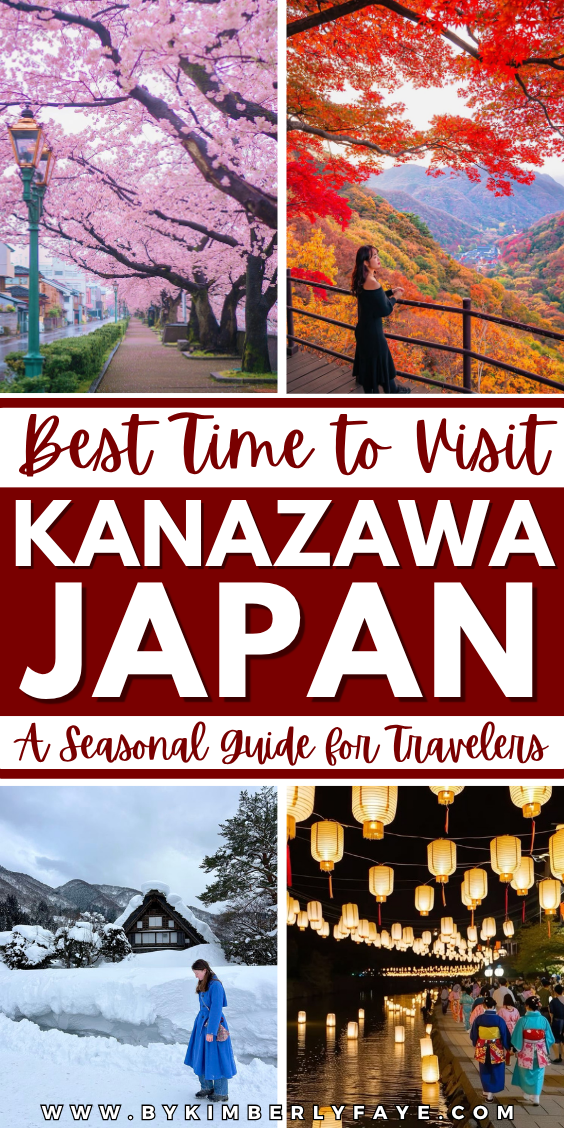
Kanazawa is beautiful year-round. Spring brings cherry blossoms, summer offers lush gardens, autumn is known for colorful foliage, and winter creates a peaceful atmosphere with occasional snowfall.
Should I stay longer if I enjoy museums and local culture?
Yes. If you enjoy slower travel, cultural experiences, and exploring beyond the main attractions, adding a third day is well worth it.
Final Thoughts
When I first planned my trip, I almost treated Kanazawa as just another stop between Japan’s bigger cities. Looking back, I’m so glad I gave it more than a single day.
What makes Kanazawa special isn’t just its famous attractions; it’s the pace of the city. It’s the freedom to wander down quiet streets, discover small cafés tucked between historic buildings, chat with friendly shop owners, and enjoy moments that can’t really be planned.
If you’re simply checking off famous landmarks, one day may be enough. But if you want to experience the atmosphere, appreciate the local culture, and travel at a relaxed pace, I strongly recommend staying for at least two days.
In the end, the perfect amount of time isn’t about how many attractions you can fit into your schedule—it’s about giving yourself enough time to enjoy Kanazawa without feeling rushed. That’s exactly what made my visit so memorable, and it’s why I’d happily return.






2 Comments
Comments are closed.