19+ Creative Small Living Room Wall Decor Ideas That Maximize Style
This site contains affiliate links. I may earn a small commission, at no extra cost to you.
This Post Shows The 19 Creative Small Living Room Wall Decor Ideas That Maximize Style.
A small living room can feel just as stylish, welcoming, and beautifully finished as a much larger space when you use the walls thoughtfully.
Instead of allowing limited floor space to restrict your decorating options, look upward and use artwork, mirrors, shelves, color, and texture to add personality without taking away valuable room to move around.
The right wall decoration can also create the illusion of height, make the room feel brighter, and give even the smallest corner a more intentional appearance.
With a few clever choices, you can turn plain walls into eye-catching features while keeping the overall space comfortable and uncluttered.
How to Maximize Small Walls
The best small-space decorating approach combines visual interest with practical design, so every wall contributes something without making the room feel crowded.
These living room wall decor ideas focus on using vertical space, reflective surfaces, lightweight displays, and carefully chosen artwork to create maximum impact with minimal clutter.
A well-planned gallery wall living room can bring personality to an otherwise empty area, while clever apartment walls can become useful places for shelves, plants, photographs, or decorative storage.
From affordable apartment wall decor to polished styling inspired by apartment inspiration and living room inspo, there are plenty of ways to make a compact home feel larger, warmer, and more personal.
1. Create a Vertical Gallery Wall
A vertical gallery wall is a smart way to decorate a small room because it naturally draws the eye upward rather than outward.
Choose several small or medium-sized frames and arrange them in a narrow column to use unused wall height.
Keep the frames relatively consistent in color while allowing the artwork to vary so the display feels collected but organized.
This technique works particularly well beside a sofa, doorway, or narrow section of wall where a wide arrangement would take up too much visual space.
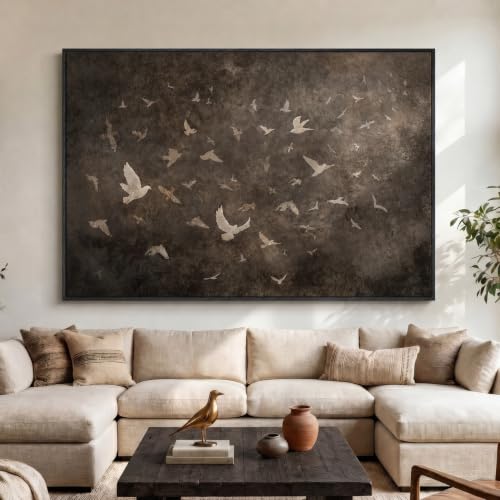
2. Hang One Oversized Artwork
Sometimes one large piece of artwork can make a bigger impact than several small decorations.
Choose a print, painting, photograph, or abstract canvas with a strong composition and hang it where it immediately catches attention.
A large piece can visually simplify a small room because there are fewer individual objects competing for attention.
Select colors that coordinate with your sofa, rug, curtains, or cushions to make the artwork feel like part of the overall design.
3. Use a Large Mirror to Reflect Light
Mirrors are one of the most effective decorating tools for compact rooms because they can visually expand the space while reflecting natural or artificial light.
Try a tall mirror leaning against the wall if you have enough floor space, or choose a wall-mounted design when every inch of floor area matters.
Round mirrors can soften rooms filled with straight furniture, while tall rectangular styles can emphasize ceiling height.
Positioning a mirror opposite a window can be particularly effective because it helps bounce daylight deeper into the room.
4. Try a Slim Picture Ledge
A narrow picture ledge gives you a flexible display area without requiring multiple holes in the wall.
Layer a few framed prints, small photographs, and decorative objects along the ledge while keeping the arrangement relatively simple.
Because the artwork can be moved around easily, you can refresh the display whenever you want a new look.
Choose a shelf that closely matches the wall for a subtle appearance or use contrasting wood to make it a stronger feature.

5. Design a Compact Modern Gallery Wall
A modern gallery wall does not need to cover an entire wall to create an impressive focal point.
Choose four to six pieces with similar frames, simple artwork, and a limited color palette to maintain a clean appearance.
Arrange them in a precise grid if you prefer a structured style, or slightly vary the spacing for a softer contemporary effect.
Keeping the display compact prevents the wall from becoming visually overwhelming while still giving the room plenty of character.
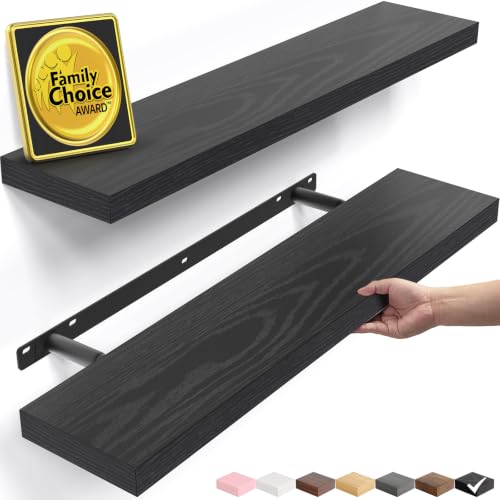
6. Add Floating Shelves Above the Sofa
Floating shelves are ideal for small spaces because they provide decorative storage without taking up floor space.
Install one or two narrow shelves above the sofa and use them for small plants, books, candles, framed photographs, and ceramics.
Keep larger objects toward the center and smaller pieces toward the edges to create a balanced composition.
Avoid filling every available section because leaving some open space will make the wall feel lighter.
7. Use Vertical Wood Slats
Vertical wood slats can make a low ceiling appear taller while adding warmth and texture to a small living room.
You can cover an entire feature wall or create a narrower panel behind the sofa to keep the project proportional to the room.
Light-colored wood tends to maintain an airy feeling, while darker finishes create a stronger architectural statement.
This approach works especially well when you want texture without introducing lots of separate decorative objects.
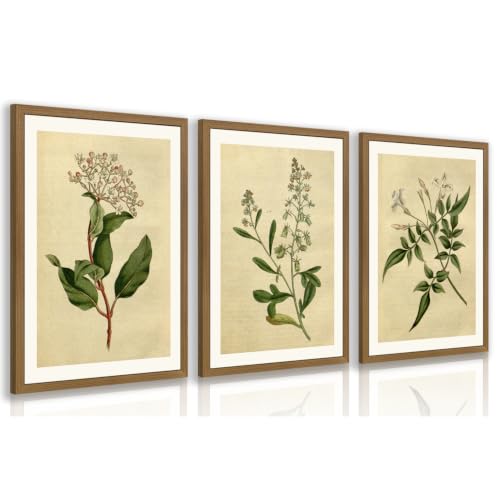
8. Create a Small Botanical Display
Plants can bring life to a compact room without requiring large pieces of furniture when they are incorporated into the wall design.
Hang small planters from wall hooks, place trailing plants on floating shelves, or frame botanical prints for a softer alternative.
Choose plants with different leaf shapes to create subtle visual variety without making the arrangement feel busy.
Natural greenery works particularly well with wood, woven materials, neutral fabrics, and other organic textures.
9. Make a Painted Arch Behind the Sofa
A simple painted arch can create the appearance of a dedicated feature zone without adding bulky decoration.
Use painter’s tape, a pencil, and a simple curved template to create a clean arch behind the sofa or reading chair.
Choose a warm neutral for a subtle effect or introduce a muted color that connects with your cushions and artwork.
The shape naturally frames the furniture and gives the wall a custom-designed appearance for very little cost.
10. Create a Narrow Photo Display
Family photographs can make a small living room feel personal without overwhelming the walls.
Instead of creating a wide arrangement, display a vertical line of three or four photographs in matching frames.
Black-and-white images can provide a sophisticated appearance, while colorful photographs can introduce small accents throughout the room.
Keep the spacing consistent so the display feels intentional and polished rather than randomly arranged.
11. Turn a Corner Into a Decorative Feature
Corners are frequently overlooked, yet they can become useful decorating opportunities in compact homes.
Install a couple of triangular or corner shelves and decorate them with small plants, books, candles, or artwork.
A corner display uses space that might otherwise remain empty while keeping the main walls available for larger pieces.
This is also a practical approach for apartment living room layouts where furniture already occupies most of the available floor area.
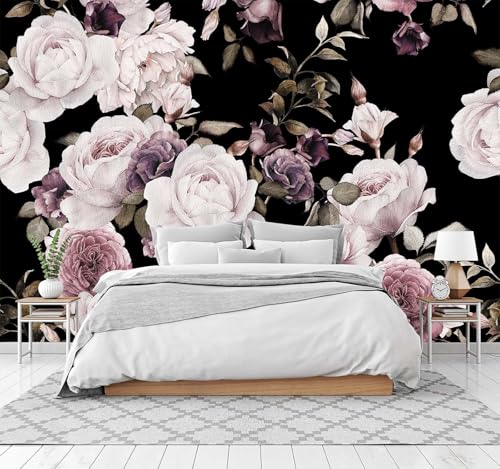
12. Use Removable Wallpaper on One Wall
A small feature wall can benefit enormously from a carefully chosen removable wallpaper design.
Select a subtle botanical pattern, geometric print, textured effect, or soft neutral pattern rather than covering every available surface.
Applying wallpaper to only one section keeps the room from feeling visually crowded while still introducing color and personality.
Removable versions are particularly useful for renters who want creative apartment wall decor without making permanent changes.
13. Hang a Textured Fabric Piece
Fabric wall art can introduce softness and dimension without the visual heaviness of a thick framed painting.
A woven textile, vintage scarf, handmade tapestry, or lightweight blanket can become an inexpensive focal point when hung from a simple wooden dowel.
Choose a pattern that complements the existing room rather than competing with your furniture and flooring.
This approach is especially useful when you want to introduce warmth into a minimalist or neutral interior.
14. Create a Minimalist Black-and-White Display
Black-and-white artwork can give a small room a sophisticated appearance while maintaining a simple visual palette.
Select photographs, sketches, typography prints, or abstract designs and place them inside slim black or white frames.
Use three or five pieces rather than covering the entire wall so the arrangement retains plenty of breathing room.
This style can make the room feel organized and contemporary without requiring expensive accessories.
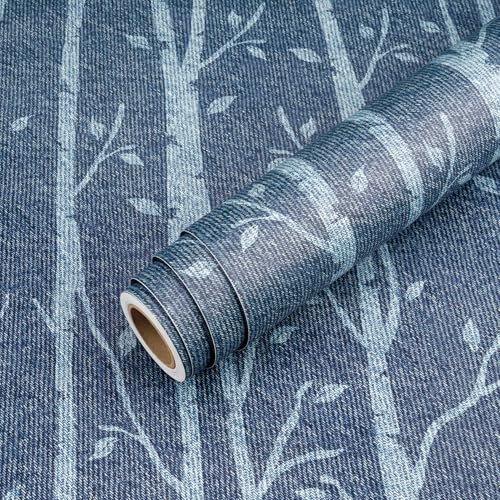
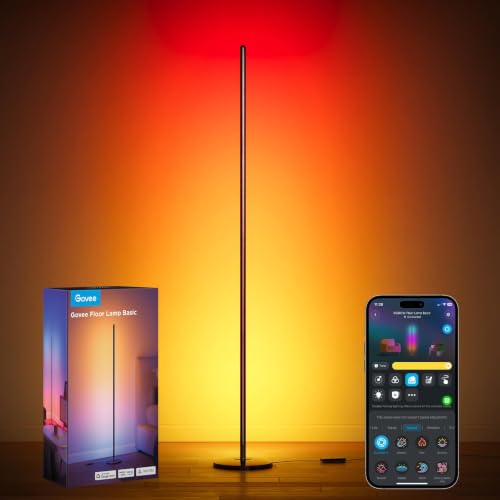
15. Add a Wall-Mounted Reading Light
Wall decoration does not always have to be purely decorative, especially when space is limited.
A stylish wall-mounted lamp can provide useful lighting while also becoming an attractive design element.
Place one beside a reading chair or sofa and pair it with a small piece of artwork or a narrow shelf.
Choose a design with a slim profile so it adds functionality without visually taking over the room.
16. Build a Small Memory Wall
Turn a compact section of wall into a collection of meaningful memories by combining photographs, postcards, travel tickets, handwritten notes, and small prints.
Use a consistent frame style or arrange the pieces inside one large frame to keep the display visually organized.
Personal objects can make even a rental feel more connected to your personality and experiences.
This is an easy way to bring apartment inspiration into your home without relying entirely on store-bought decorations.

17. Use the Wall Above a Small Desk
If your living room doubles as a workspace, the wall above a compact desk can become both practical and decorative.
Add a small pinboard, floating shelf, framed artwork, or simple calendar to create an attractive work zone without taking up additional floor space.
Keep the arrangement relatively minimal so the area does not begin to feel like a crowded office.
A carefully styled workspace can blend naturally into the room while providing useful organization.
18. Create a Soft Neutral Accent Wall
A small living room can benefit from subtle color rather than lots of decorative objects.
Paint one wall in a warm cream, beige, taupe, muted green, or soft gray to create depth while maintaining an open feeling.
This approach allows the wall itself to become part of the decoration, reducing the need for numerous accessories.
Pair the color with natural wood, soft textiles, and warm lighting for a cozy and balanced atmosphere.
19. Layer Small Decor Around a Mirror
Instead of using a mirror as a standalone feature, surround it with a few carefully selected decorative pieces.
A small shelf, two framed prints, a tiny plant, or a wall-mounted candle holder can create a layered arrangement around the reflective surface.
Keep the number of objects limited so the display remains visually clean.
This technique gives you the polished feeling of dream house decor while still being realistic for a compact space and a modest decorating budget.
FAQs
1. How do I decorate a small living room wall without making it look crowded?
Choose a few larger or carefully grouped pieces rather than filling the wall with many small decorations. Mirrors, floating shelves, vertical artwork, and simple gallery arrangements can create visual interest while maintaining plenty of negative space.
2. What is the best wall decor for a small apartment?
Lightweight shelves, mirrors, framed artwork, picture ledges, removable wallpaper, and vertical displays are all excellent choices. They use wall space efficiently without taking up valuable floor area.
3. Should small living rooms have gallery walls?
Yes, but the arrangement should be scaled to the room. A compact gallery with four to six coordinated pieces can add personality without creating the cluttered appearance that a very large collection might produce.
4. How can I make a small living room look bigger?
Use mirrors, light colors, vertical decoration, uncluttered surfaces, and furniture that does not visually overwhelm the room. Keeping the wall arrangement balanced and allowing some empty space can also make the room feel more open.
5. What colors work best for small living rooms?
Soft whites, creams, warm beige, light gray, muted greens, pale blues, and other understated shades can help maintain an airy appearance. You can introduce stronger colors through artwork and small accessories.
6. How can I decorate a small living room on a budget?
Try DIY artwork, thrifted frames, printable prints, painted arches, floating shelves, photographs, and secondhand mirrors. Rearranging pieces you already own can also give the room a completely new appearance without requiring a large investment.
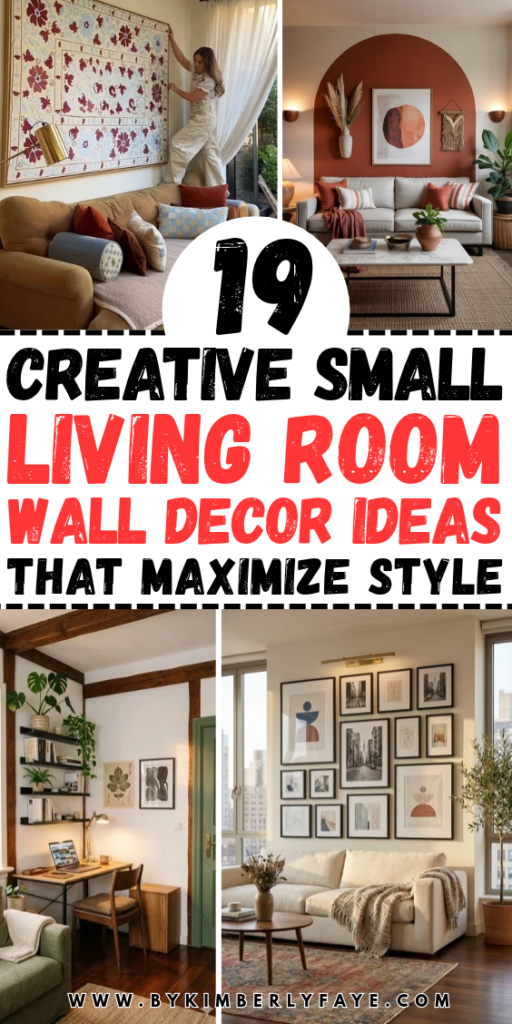
This Post Showed The 19 Creative Small Living Room Wall Decor Ideas That Maximize Style.